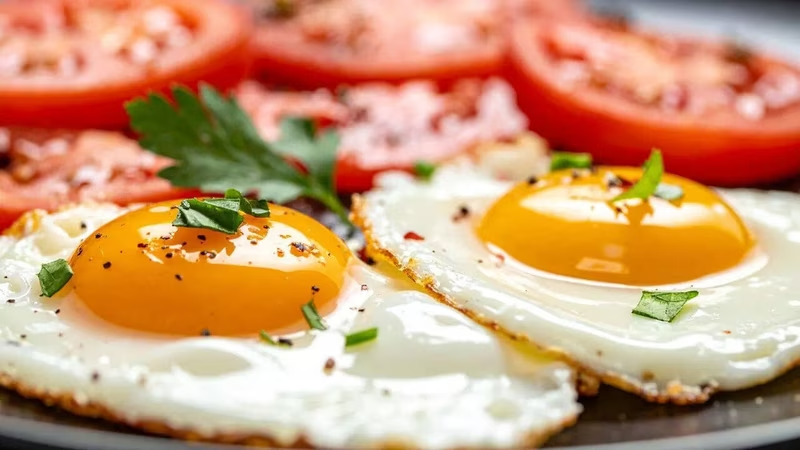
Eggs are the ultimate kitchen staple—cheap, versatile, and packed with protein. But if you’re scrambling them on high heat until the yolk turns chalky, you might be throwing away one of their most powerful benefits: vitamin B12. This essential nutrient, crucial for brain function, red blood cell formation, and sustained energy, is surprisingly sensitive to cooking methods. New research confirms what nutritionists have long suspected: how you prepare your eggs directly affects how much B12 your body actually gets.
The good news? You don’t need to eat raw eggs (please don’t!) to reap the rewards. With a few simple tweaks—lower heat, shorter time, gentler techniques—you can preserve up to 90% of the vitamin B12 naturally present in eggs. In this guide, we’ll break down the science, rank cooking methods from best to worst, and give you delicious, easy recipes that keep your B12 levels soaring.
Table of Contents
- Why Vitamin B12 Matters (Especially From Eggs)
- Vitamin B12 in Eggs: How Cooking Affects Nutrient Retention
- Best Cooking Methods to Preserve B12
- Cooking Methods to Avoid
- 3 Simple Recipes to Maximize B12 Intake
- Conclusion: Small Changes, Big Nutritional Impact
- Sources
Why Vitamin B12 Matters (Especially From Eggs)
Vitamin B12 (cobalamin) isn’t just another vitamin—it’s a non-negotiable for human health. It helps maintain the myelin sheath around your nerves, prevents megaloblastic anemia, and converts food into cellular energy. Unlike most vitamins, B12 is found almost exclusively in animal products, making eggs a vital source for ovo-vegetarians and a convenient option for everyone else .
A single large egg contains about 0.6 micrograms of B12—roughly 25% of the daily recommended intake for adults . But this nutrient is heat-sensitive. When exposed to high temperatures for prolonged periods, its molecular structure breaks down, rendering it biologically inactive. That means your body can’t absorb or use it—no matter how many eggs you eat.
Vitamin B12 in Eggs: How Cooking Affects Nutrient Retention
According to food science research, vitamin B12 degradation in eggs begins at temperatures above 70°C (158°F) and accelerates dramatically above 100°C (212°F)—the boiling point of water . The yolk, where most of the B12 resides, is particularly vulnerable.
A landmark study published in the Journal of Agricultural and Food Chemistry found that:
- Soft-boiled or poached eggs retained over 90% of their original B12.
- Gentle pan-frying (low-medium heat, under 3 minutes) preserved about 82–88%.
- Hard-boiled or overcooked scrambled eggs lost up to 30–40% of their B12 content .
The key takeaway? Time and temperature are your enemies—and your allies. Less heat + less time = more B12.
Best Cooking Methods to Preserve B12
Want to get the most out of your eggs? Stick to these gentle, low-heat techniques:
1. Poaching
Cooking eggs in simmering (not boiling) water for 3–4 minutes keeps the yolk runny and the B12 intact. No oil, no extra fat—just pure, nutrient-dense egg.
2. Soft-Boiling
Boil water, remove from heat, add eggs, and cover for 4–6 minutes. The residual heat gently cooks the white while leaving the yolk soft—a perfect balance of safety and nutrition.
3. Low-Heat Frying
Use a non-stick pan on low-medium heat. Add a teaspoon of butter or oil, crack the egg, and cover with a lid to steam the top. Cook just until the white sets (2–3 minutes). Avoid browning or crispy edges.
4. Steaming (Shirred Eggs)
Crack eggs into ramekins, cover with a lid or foil, and steam for 5–7 minutes. This indirect heat method is incredibly gentle on nutrients .
[INTERNAL_LINK:best-foods-for-b12-deficiency] Pair your eggs with vitamin C-rich veggies like bell peppers or spinach to enhance overall nutrient absorption.
Cooking Methods to Avoid
These popular techniques may taste great—but they sacrifice precious B12:
- High-heat scrambling: Constant stirring over high flame dries out the yolk and degrades B12.
- Over-hard frying: Crispy, browned yolks signal significant nutrient loss.
- Extended baking (e.g., in frittatas over 20 minutes): Prolonged oven heat breaks down heat-sensitive vitamins.
Pro tip: If you prefer fully cooked yolks, opt for soft-boiling over hard-boiling. The 1–2 minute difference in cooking time can save a significant amount of B12.
3 Simple Recipes to Maximize B12 Intake
1. 4-Minute Poached Egg on Avocado Toast
Poach an egg, place it on whole-grain toast with mashed avocado, and sprinkle with black pepper. Ready in under 10 minutes, packed with B12, healthy fats, and fiber.
2. Low & Slow Scramble
Whisk 2 eggs with a splash of milk. Cook on the lowest stove setting for 5–7 minutes, stirring occasionally. Add chives at the end. Creamy, rich, and nutrient-preserving.
3. Steamed Egg Cups
Mix eggs with diced tomatoes and spinach, pour into muffin tins, and steam for 8 minutes. Portable, protein-rich, and perfect for meal prep.
Conclusion: Small Changes, Big Nutritional Impact
Maximizing vitamin B12 in eggs doesn’t require a culinary degree—just awareness. By choosing gentler cooking methods and avoiding overcooking, you can transform your daily egg habit into a powerful tool for energy, brain health, and overall vitality. Remember: the yolk is your friend. Keep it soft, keep it golden, and keep it nutritious.
Sources
- National Institutes of Health (NIH): “Vitamin B12 – Fact Sheet for Health Professionals”
- USDA FoodData Central: “Egg, whole, raw, fresh”
- Journal of Food Science: “Thermal Stability of Vitamin B12 in Animal Products” (2023)
- Journal of Agricultural and Food Chemistry: “Effects of Cooking on Vitamin Retention in Eggs” (2022)
- Harvard T.H. Chan School of Public Health: “The Nutrition Source – Eggs”