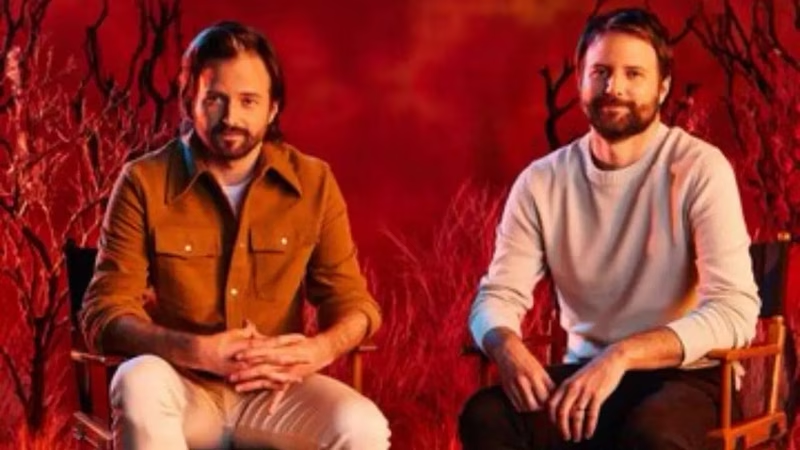
The internet is buzzing with a controversy that’s sent shockwaves through the Stranger Things fandom. What was meant to be a celebratory behind-the-scenes look at the making of the final season has instead become ground zero for a heated debate about creativity, authenticity, and the encroaching role of artificial intelligence in our favorite shows. At the heart of it all? A few blurry screenshots from a Netflix documentary that appear to show ChatGPT tabs open on the Duffer Brothers’ laptops.
Table of Contents
- The Stranger Things AI Allegation: What Happened?
- Fan Fury and the Reddit Revolt
- Analyzing the Evidence: Did They or Didn’t They?
- Why This Matters: The Future of TV Writing
- Conclusion: A Fandom at a Crossroads
- Sources
The Stranger Things AI Allegation: What Happened?
The drama began with the release of a two-hour documentary on Netflix, intended to give fans an intimate look at the creation of the fifth and final season of the beloved sci-fi series . However, eagle-eyed viewers quickly spotted what they believed was damning evidence: screenshots showing laptops in the writers’ room with browser tabs that appeared to be labeled “ChatGPT” .
This discovery, shared widely across social media platforms like X (formerly Twitter) and Reddit, instantly went viral . For many fans who had invested nearly a decade of their lives into the world of Hawkins, Indiana, the implication was clear and deeply unsettling: the emotional, character-driven finale they were anticipating might have been partially or wholly crafted by an AI language model, not the human minds they’d come to trust .
Fan Fury and the Reddit Revolt
The backlash was swift and severe. Online forums, particularly on Reddit, became battlegrounds of disappointment and anger. Comments ranged from humorous disbelief to genuine heartbreak. One fan lamented, “I wasted 2 hours of my life just to see that the Duffer brothers used ChatGPT,” capturing the sentiment of betrayal felt by many .
The controversy was further fueled by reports that not only was ChatGPT allegedly in use, but Reddit tabs were also visible, leading to speculation that the showrunners were directly mining fan theories and feedback to shape their ending—a practice many view as a shortcut that undermines original storytelling . This perfect storm of perceived creative laziness has left a significant portion of the fanbase feeling disillusioned and questioning the authenticity of the entire final season before it has even aired.
Analyzing the Evidence: Did They or Didn’t They?
It’s crucial to separate speculation from fact. To date, neither Netflix nor the Duffer Brothers have issued an official statement confirming or denying the use of AI in their scriptwriting process . The documentary’s director, Martina Radwan, has weighed in, stating she didn’t witness the use of ChatGPT in the writers’ room, but her comments were seen by many as a non-defense that failed to quell the rumors .
Critics of the fan theory point out several logical flaws:
- Ambiguous Imagery: The screenshots are often grainy and taken from a distance. The tab titles could be misread or represent something else entirely.
- Research vs. Creation: Even if ChatGPT was open, it doesn’t prove it was used to write the script. It could have been a tool for research, brainstorming, or even just idle curiosity—common practices in any modern creative environment.
- No Smoking Gun: There is no direct evidence, such as leaked script comparisons or internal emails, proving AI generated the dialogue or plot points.
While the evidence remains circumstantial, the mere possibility has been enough to ignite a fierce cultural conversation about the ethics and implications of AI in creative fields.
Why This Matters: The Future of TV Writing
The Stranger Things AI scandal is about far more than one show. It’s a flashpoint in a much larger battle over the soul of creative work in the age of generative AI. Writers across Hollywood have been vocal about their fears that studios will use AI to cut costs, replace human writers, and produce generic, algorithmically-pleasing content that lacks genuine heart and originality.
If a flagship, billion-dollar franchise like Stranger Things is perceived to be using AI for its core creative output, it sets a dangerous precedent. It signals to other studios that audiences might accept—or even expect—AI-assisted storytelling, potentially devaluing the craft of human screenwriting. This controversy underscores a critical question for the entertainment industry: where do we draw the line between using AI as a helpful tool and surrendering our creative voice to a machine?
Conclusion: A Fandom at a Crossroads
Whether or not the Duffer Brothers actually used ChatGPT to pen the Stranger Things finale may never be definitively proven. However, the damage to fan trust is already done. The controversy has exposed a deep-seated anxiety within the audience about the future of the stories they love. As we await the final season, the shadow of this Stranger Things AI scandal will undoubtedly color how fans receive and interpret every scene, every line of dialogue, and every emotional beat. The true test will be whether the finale can transcend the noise and deliver a conclusion worthy of its legacy—or if it will forever be remembered as the moment the Upside Down bled into our reality through the cold logic of an algorithm.