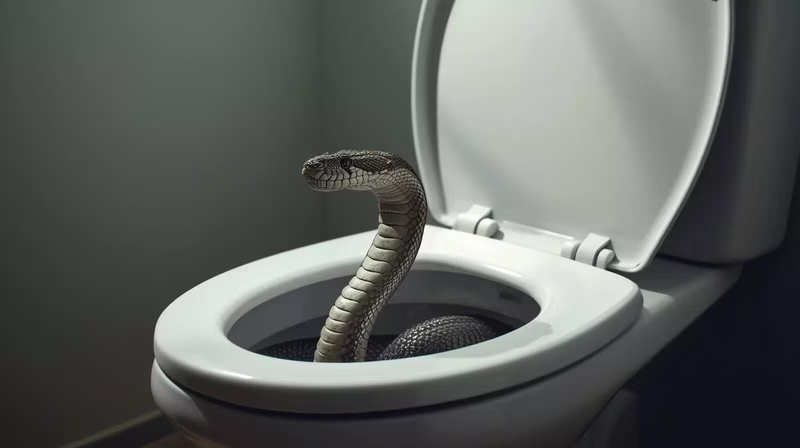
Snakes in the Toilet: A Real-Life Horror Story or Urban Myth?
Imagine lifting the toilet seat and coming face-to-face with a hissing snake. It sounds like the plot of a B-movie, but for a small number of people around the world, it’s a terrifying reality. While the idea of snakes in toilet bowls sparks instant dread, the truth is far less dramatic—and far more explainable—than most fear. These reptiles aren’t launching surprise attacks from your drain. Instead, they’re lost, thirsty, or simply following their next meal through underground pipes.
In this guide, we’ll demystify this unsettling phenomenon, explain exactly why it happens, and—most importantly—give you practical, expert-backed tips to ensure your bathroom stays a snake-free zone.
Table of Contents
- How Do Snakes End Up in Toilets?
- Are Snakes in Toilet Bowls Common?
- What Attracts Snakes to Plumbing Systems?
- What to Do If You Find a Snake in Your Toilet
- How to Prevent Snakes from Entering Your Home
- Conclusion
- Sources
How Do Snakes End Up in Toilets?
Snakes don’t have a personal vendetta against your porcelain throne. In fact, they don’t even know what a toilet is. Their journey usually begins outdoors. Snakes are excellent climbers and burrowers, and many species—especially smaller, slender ones like rat snakes or garter snakes—can easily navigate narrow spaces, including sewer lines, septic tanks, and drainage pipes .
They often enter these systems while chasing prey such as rats, mice, or insects that have already made a home in your plumbing infrastructure. Once inside, the pipes act like a maze. If a toilet’s trap (the U-shaped bend that holds water) is dry or compromised, it can become an unintended exit ramp. The snake emerges not to frighten you, but because it’s simply trying to escape a dark, confined space .
Are Snakes in Toilet Bowls Common?
Let’s be clear: snakes in toilet incidents are extremely rare. According to herpetologists and wildlife control experts, the vast majority of homes will never experience this. It’s more likely in rural areas, older homes with outdated plumbing, or regions with high snake populations and frequent flooding .
Flooding is a key trigger. When heavy rains submerge burrows or nests, snakes seek higher ground—and sometimes that means crawling through storm drains or septic lines that connect to your home. Urban legends may exaggerate the frequency, but real cases are isolated and often tied to specific environmental conditions.
What Attracts Snakes to Plumbing Systems?
Snakes aren’t “attracted” to toilets per se, but they are drawn to the conditions that plumbing systems can unintentionally provide:
- Moisture: Snakes need water, especially in hot or dry climates. Damp pipes and condensation can be a beacon.
- Shelter: Underground pipes offer cool, dark hiding spots—ideal for escaping predators or extreme weather.
- Prey: If your home has a rodent or insect infestation, their presence in pipes can lure snakes inside.
- Escape routes: During floods or habitat disruption, pipes become emergency corridors.
It’s not about the toilet—it’s about survival. [INTERNAL_LINK:how-to-control-rodents-in-home]
What to Do If You Find a Snake in Your Toilet
Stay calm. Most snakes found in toilets are non-venomous and just as startled as you are. Here’s what to do:
- Do not flush. Flushing could trap or injure the snake and won’t solve the problem.
- Close the lid and door. Contain the situation to prevent the snake from slithering into your home.
- Call a professional. Contact a licensed wildlife removal expert or local animal control. Do not attempt to handle it yourself.
- Inspect your plumbing. After the snake is removed, have a plumber check for cracks, dry traps, or open vent pipes.
How to Prevent Snakes from Entering Your Home
Prevention is far easier than dealing with a surprise reptilian guest. Here are expert-recommended strategies to keep your plumbing—and your peace of mind—secure:
- Keep toilet lids closed. It’s a simple barrier that adds a layer of protection.
- Ensure all plumbing traps are filled with water. Dry traps (common in guest bathrooms or infrequently used toilets) lose their seal, creating an open path.
- Install vent pipe covers. Metal mesh screens on roof plumbing vents can block entry points.
- Seal foundation cracks and gaps. Snakes can enter through openings as small as a quarter-inch.
- Control rodent populations. No prey means no reason for snakes to come near your home.
For more on home wildlife prevention, consult resources from the Smithsonian’s National Zoo & Conservation Biology Institute, which provides science-based guidance on human-wildlife coexistence .
Conclusion
While the image of snakes in toilet bowls is undeniably unsettling, it’s crucial to separate myth from reality. These incidents are rare, accidental, and driven by the snake’s basic needs—not malice. By understanding the real causes and taking a few simple preventive measures, you can virtually eliminate the already minimal risk. Your bathroom should be a place of comfort, not fear—and with the right knowledge, it will stay that way.