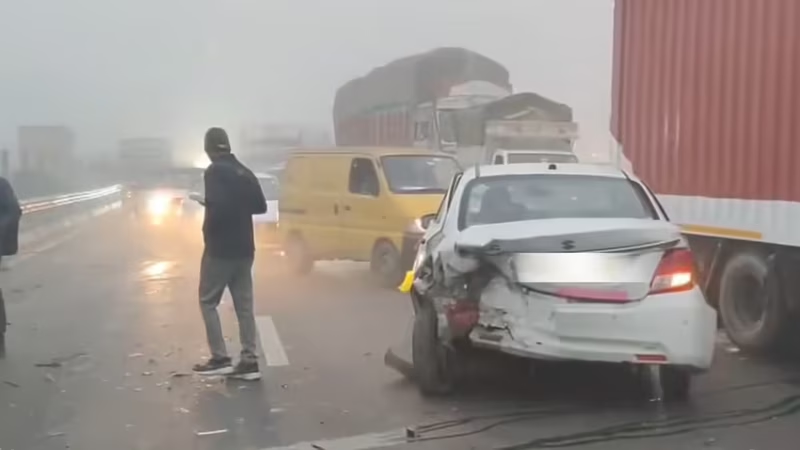
In the pre-dawn stillness of a winter morning in Punjab, a routine journey turned into a nightmare. A passenger car, navigating through a wall of dense fog, collided head-on with a bus on a national highway. The impact was catastrophic. Four people lost their lives instantly, their lives cut short by a tragedy that has become all too familiar on India’s fog-choked roads during the winter season .
This Punjab car-bus collision is more than just a news headline; it’s a grim reminder of a systemic failure. Every year, as temperatures plummet and fog blankets the northern plains, highways transform into perilous death traps. Despite repeated warnings and countless past tragedies, the necessary infrastructure and protocols to prevent such accidents remain woefully inadequate.
Table of Contents
- The Tragic Incident: What Happened?
- Why Winter Fog Is So Deadly on Indian Highways
- Punjab’s Highway Safety Record: A Troubling Trend
- Existing Safety Measures and Their Gaps
- What Needs to Change: A Roadmap for Safety
- What Drivers Can Do to Stay Safe in Fog
- Conclusion: Turning Grief into Action
- Sources
The Tragic Incident: What Happened?
The accident occurred in the early hours of the morning near a village in Punjab’s Jalandhar district, a region notorious for its thick winter fog. According to police reports, a sedan was traveling on the highway when it failed to see an oncoming bus due to severely limited visibility .
The collision was so severe that the car was mangled beyond recognition. All four occupants of the car—whose identities are still being confirmed—were pronounced dead at the scene. The bus, carrying several passengers, sustained significant front-end damage, but thankfully, there were no reported fatalities among its occupants. Rescue teams from the local police and National Highway Authority of India (NHAI) rushed to the spot to clear the wreckage and manage traffic.
Why Winter Fog Is So Deadly on Indian Highways
The Indo-Gangetic plain, which includes Punjab, Haryana, and Uttar Pradesh, experiences some of the world’s most severe radiation fog during December and January. This isn’t just light mist; it’s a dense, ground-hugging cloud that can reduce visibility to less than 50 meters.
Compounding the problem is the state of India’s highways:
- Lack of Proper Lighting: Many stretches of national highways have no functional street lights, making it impossible to see lane markings or oncoming vehicles.
- Absence of Fog Detection Systems: Unlike in many developed nations, there are few automated systems to warn drivers of sudden drops in visibility.
- Poor Road Discipline: Speeding, using high beams in fog (which causes glare), and ignoring basic safety protocols are rampant.
The result is a perfect storm for disaster. The Ministry of Road Transport and Highways estimates that a significant spike in fatal accidents occurs during these winter months, with fog being a primary contributing factor .
Punjab’s Highway Safety Record: A Troubling Trend
Punjab, a key transit state connecting Delhi to Amritsar and the northern borders, sees a massive volume of traffic. Its major arteries, like the NH-44 (formerly NH-1), are lifelines for commerce and travel but are also hotspots for accidents.
Data from the state transport department shows a recurring pattern: a sharp increase in multi-vehicle pile-ups and fatal collisions every winter. In 2023 alone, over 60% of the state’s fog-related accidents occurred on just three national highways. This latest Punjab car-bus collision fits squarely into this alarming trend, highlighting the urgent need for targeted interventions.
Existing Safety Measures and Their Gaps
Authorities aren’t completely idle. The NHAI has installed some variable message signs (VMS) and retro-reflective signage on certain stretches. Police also conduct special patrols during peak fog hours.
However, these measures are fragmented and insufficient:
- Variable Message Signs are Sparse: They are only present on a few pilot projects, not across the entire vulnerable network.
- No Mandatory Speed Restrictions: While advisories are issued, there’s no enforced, automatic speed limit reduction in low-visibility conditions.
- Lack of Public Awareness: Many drivers are simply unaware of the correct procedures for driving in fog, such as using fog lamps and maintaining a safe distance.
For a deeper dive into national road safety strategies, see our report on [INTERNAL_LINK:india-national-road-safety-policy].
What Needs to Change: A Roadmap for Safety
To prevent future tragedies like this Punjab car-bus collision, a multi-pronged approach is essential:
- Invest in Smart Infrastructure: Deploy a network of fog sensors linked to dynamic speed limit signs and public alert systems.
- Mandate Vehicle Safety Features: Push for regulations requiring all new vehicles to have certified fog lamps and automatic emergency braking systems.
- Enforce a “Fog Protocol”: Empower highway patrols to close roads or impose convoys when visibility drops below a critical threshold.
- National Awareness Campaign: Launch a sustained media campaign before every winter season on safe driving practices in fog.
What Drivers Can Do to Stay Safe in Fog
While systemic change is crucial, individual responsibility can save lives. If you must drive in fog:
- Slow Down: Reduce your speed significantly. It’s the single most effective action you can take.
- Use Low Beams & Fog Lamps: High beams reflect off the fog and blind you further.
- Increase Following Distance: Leave a much larger gap between you and the vehicle ahead.
- Listen for Traffic: Roll down your window to hear oncoming vehicles if visibility is near zero.
- Don’t Stop on the Highway: If you must stop, pull completely off the road and turn on your hazard lights.
Conclusion: Turning Grief into Action
The four lives lost in this Punjab car-bus collision are a heartbreaking loss for their families and a stark warning to the nation. We cannot accept these winter deaths as an inevitable cost of the season. With the right investment in technology, stricter enforcement of safety protocols, and a collective shift in driver behavior, we can make our highways safe even in the thickest fog. Their memory must be the catalyst for real, lasting change.