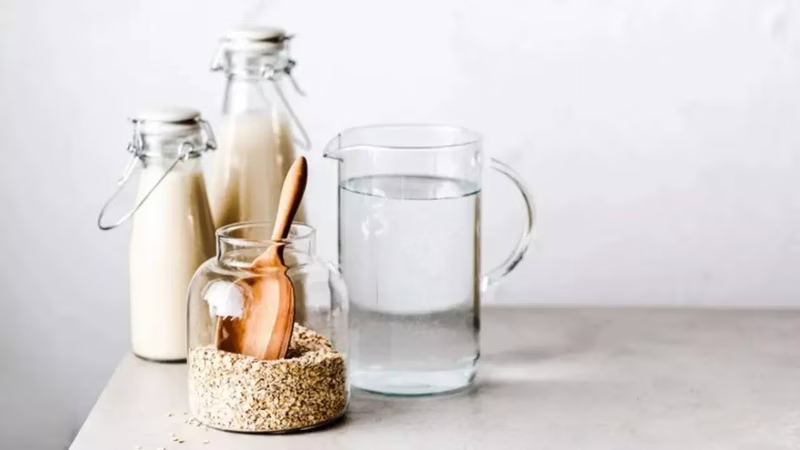
If your social media feed is flooded with videos of people chugging a slimy, beige drink called “Oatzempic” and claiming dramatic weight loss, you’re not alone. This viral TikTok concoction—made from oats, water, and citrus—is being hailed as a natural, DIY alternative to the prescription drug Ozempic. But before you dump your oats into a blender, here’s the truth: the Oatzempic trend may be filling, but it’s nowhere near a medical substitute. Let’s unpack the science, the hype, and what actually works for sustainable weight loss.
Table of Contents
- What Is the Oatzempic Trend?
- The Real Ozempic: How It Actually Works
- Why Oatzempic Can’t Mimic Ozempic
- Potential Benefits of the Oat and Citrus Drink
- Risks and Downsides of Viral Diet Trends
- What Nutrition Experts Really Say
- Sustainable Weight Loss Strategies That Work
- Conclusion: Don’t Fall for the Hype
- Sources
What Is the Oatzempic Trend?
The Oatzempic trend began in late 2025 when TikTok users started sharing a simple recipe: blend 1/4 cup of rolled oats with 8 ounces of water and the juice of half a lemon or lime. Let it sit overnight, then drink it on an empty stomach in the morning. Proponents claim it suppresses appetite, boosts metabolism, and leads to rapid weight loss—mirroring the effects of Ozempic, the GLP-1 receptor agonist used for type 2 diabetes and obesity.
Videos often show dramatic before-and-after photos, with captions like “Lost 10 lbs in 2 weeks with Oatzempic!” The hashtag #Oatzempic has amassed over 150 million views, turning this humble drink into a global wellness phenomenon.
The Real Ozempic: How It Actually Works
Ozempic (semaglutide) is an FDA-approved injectable medication that mimics the GLP-1 hormone, which:
- Slows gastric emptying, making you feel full longer
- Reduces appetite by acting on the brain’s hunger centers
- Improves insulin sensitivity and blood sugar control
Clinical trials show users lose 10–15% of body weight over 68 weeks—under medical supervision. It’s not a “quick fix” but a powerful tool for those with obesity-related health risks. Crucially, it’s a prescription drug with potential side effects like nausea, pancreatitis, and thyroid tumors.
Why Oatzempic Can’t Mimic Ozempic
Despite its catchy name, Oatzempic has zero pharmacological similarity to Ozempic. Here’s why:
- No GLP-1 activation: Oats don’t trigger hormonal pathways that reduce hunger like semaglutide does.
- Temporary fullness only: The fiber in oats (beta-glucan) may promote satiety, but it’s short-lived and not equivalent to neural appetite suppression.
- No metabolic impact: Unlike Ozempic, it doesn’t alter insulin response or fat metabolism.
As Dr. Priya Sharma, a clinical nutritionist at Apollo Hospitals, explains: “Calling this ‘Oatzempic’ is dangerously misleading. It creates false expectations and undermines real medical science.”
Potential Benefits of the Oat and Citrus Drink
That said, the drink isn’t “bad”—it just isn’t a weight-loss miracle. Potential perks include:
- High in soluble fiber: Beta-glucan supports gut health and may modestly lower cholesterol.
- Low-calorie breakfast option: At ~100 calories, it can help reduce overall intake if it replaces sugary meals.
- Hydration + vitamin C: Lemon adds antioxidants and aids iron absorption.
However, benefits depend on overall diet. Drinking Oatzempic while eating junk food won’t lead to weight loss.
Risks and Downsides of Viral Diet Trends
Following unverified trends like Oatzempic can lead to:
- Nutritional gaps: Relying on one “magic” drink may displace protein, healthy fats, and micronutrients.
- Disordered eating patterns: Quick-fix culture fuels yo-yo dieting and body image issues.
- Delayed medical care: People with obesity may avoid seeing a doctor, thinking a home remedy suffices.
The World Health Organization (WHO) emphasizes that “no single food causes weight loss”—it’s about total energy balance and lifestyle.
What Nutrition Experts Really Say
Registered dietitians are unanimous: Oatzempic is a fiber-rich beverage, not a drug. Says Rujuta Diwekar, celebrity nutritionist: “If oats worked like Ozempic, we’d all be lean. But weight loss isn’t about one ingredient—it’s about consistency, sleep, stress, and movement.”
Even the original TikTok creator later clarified: “I never said it was Ozempic—I just liked the name. It’s just a healthy breakfast!” Yet the myth persists.
Sustainable Weight Loss Strategies That Work
Forget viral hacks. Evidence-backed approaches include:
- Protein + fiber at every meal: Keeps you full without extreme restriction.
- Strength training 2–3x/week: Builds muscle, which boosts resting metabolism.
- Sleep 7–8 hours: Poor sleep increases ghrelin (the hunger hormone).
- Mindful eating: Slow down, savor food, and listen to hunger cues.
For personalized plans, consult a certified professional—not an algorithm. Explore our guide on [INTERNAL_LINK:science-backed-weight-loss-methods] for more.
Conclusion: Don’t Fall for the Hype
The Oatzempic trend is a classic case of wellness misinformation dressed as innovation. While the oat drink is harmless (and even healthy) as part of a balanced diet, it won’t replicate Ozempic’s effects. Real weight loss isn’t found in a trending recipe—it’s built through consistent, science-backed habits. So enjoy your oats, but leave the medical miracles to the professionals.