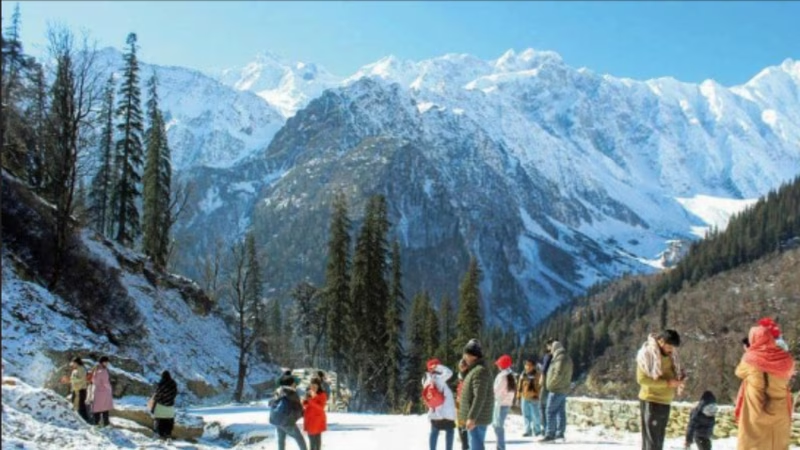
If you’re in North India, keep your blankets and heaters ready for a couple more days. The biting chill isn’t letting up just yet. According to the India Meteorological Department (IMD), the region will remain firmly in the grip of a cold wave for at least the next 48 hours, bringing with it not just discomfort but also serious health concerns .
This prolonged spell of unusually low temperatures has already disrupted daily life, from school closures to increased strain on power grids. Understanding the cause, the expected duration, and most importantly, how to stay safe, is crucial for everyone in the affected areas.
Table of Contents
- What is Causing This Persistent Cold Wave?
- City-by-City Temperature Forecast
- Cold Wave Definition and IMD Alerts
- Health Risks Associated with Extreme Cold
- Essential Winter Safety Tips for Residents
- When Will the Relief Arrive?
- Conclusion: Staying Informed and Prepared
- Sources
What is Causing This Persistent Cold Wave?
The primary driver behind this intense and sustained cold wave is a strong western disturbance that has settled over the region, coupled with the absence of any significant cloud cover . Clear skies at night allow heat to escape rapidly from the Earth’s surface, leading to a sharp drop in minimum temperatures—a phenomenon known as radiational cooling.
Furthermore, dense fog in many parts of the Indo-Gangetic plains is acting like a blanket during the day, preventing sunlight from warming the ground. This creates a vicious cycle where the days remain cold and the nights become even colder. The situation is exacerbated by light winds, which fail to disperse the cold air mass.
City-by-City Temperature Forecast
The impact of the cold wave is being felt across major cities in North India. Here’s a snapshot of the current conditions and what to expect over the next two days:
- Delhi: The capital recorded a minimum temperature of 4.5°C on Monday. The IMD predicts similar or slightly lower temperatures for Tuesday and Wednesday, with dense fog continuing to affect visibility, especially in the mornings .
- Lucknow: The city is experiencing its coldest spell of the season, with lows hovering around 6°C. A slight increase is expected by Thursday.
- Chandigarh: Known for its cooler climate, Chandigarh has seen its mercury dip to 3.8°C. The cold wave conditions are severe here, with no immediate signs of abatement.
- Patna & Ranchi: Even parts of Bihar and Jharkhand are not spared, with both cities reporting sub-10°C temperatures and cold wave alerts issued for several districts .
Cold Wave Definition and IMD Alerts
It’s important to understand what constitutes a “cold wave” from a meteorological standpoint. The IMD issues a cold wave alert for the plains when the following criteria are met:
- The minimum temperature is 10°C or less, AND
- The departure from the normal minimum temperature is 4.5°C to 6.4°C (for a “cold wave”) or more than 6.5°C (for a “severe cold wave”) .
For hilly regions, the thresholds are different, with a cold wave declared if the minimum temperature is below 0°C and the departure from normal is significant. The current weather pattern across North India comfortably meets these criteria, prompting the IMD to issue active warnings.
Health Risks Associated with Extreme Cold
A cold wave is more than just an inconvenience; it poses serious health hazards, particularly for vulnerable populations like the elderly, young children, and those with pre-existing respiratory or cardiovascular conditions [INTERNAL_LINK:winter-health-tips-for-families].
Key health risks include:
- Hypothermia: A dangerous condition where the body loses heat faster than it can produce it, causing a dangerously low body temperature.
- Frostbite: Damage to skin and underlying tissues caused by freezing, typically affecting fingers, toes, nose, and ears.
- Exacerbation of Respiratory Illnesses: Cold, dry air can trigger asthma attacks and worsen conditions like bronchitis and pneumonia.
Essential Winter Safety Tips for Residents
To stay safe during this cold spell, experts recommend the following precautions:
- Dress in Layers: Wear multiple layers of loose-fitting, lightweight, warm clothing. The trapped air between layers acts as insulation.
- Protect Extremities: Always wear a hat, scarf, gloves, and warm socks to prevent heat loss from your head, hands, and feet.
- Stay Hydrated and Nourished: Drink plenty of warm fluids (avoid alcohol and caffeine) and eat well-balanced meals to help your body generate heat.
- Check on Neighbors: Especially the elderly or those living alone, to ensure they are safe and have adequate heating.
- Avoid Using Heaters in Enclosed Spaces: If using a room heater, ensure proper ventilation to prevent carbon monoxide poisoning.
When Will the Relief Arrive?
There is a silver lining on the horizon. The IMD forecasts that a fresh western disturbance is likely to affect the Western Himalayas around January 15th . While this system may bring rain or snow to the hills, it is also expected to disrupt the current stagnant weather pattern over the plains.
This change could lead to an increase in cloud cover and a gradual rise in minimum temperatures across North India by the latter half of the week, providing much-needed relief from the intense cold.
Conclusion: Staying Informed and Prepared
While the cold wave is set to persist for two more days, being informed and prepared is the best defense. By understanding the weather patterns, heeding official warnings from the IMD, and taking simple but effective safety measures, residents of North India can navigate this challenging period safely. Keep an eye on local forecasts and prioritize your health and well-being until the warmer days return.
Sources
- Times of India: North may remain in cold wave grip for 2 more days
- India Meteorological Department (IMD): Official Website and Weather Warnings [[5], [10], [15], [20], [25]]
- World Health Organization (WHO): Climate Change and Health: Cold Weather Risks