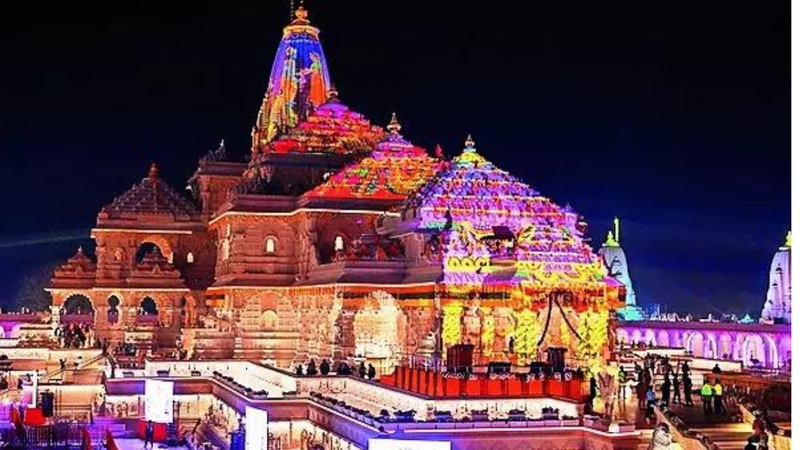
A new chapter in Ayodhya’s transformation is unfolding, and it’s being written on our plates—or rather, what’s not allowed on them. The city’s administration has just dropped a bombshell: a complete ban on the delivery of non-vegetarian food within a 15-kilometer radius of the sacred Ram Temple. This isn’t just about local eateries; it’s a direct crackdown on the convenience of online food apps, signaling a profound shift in the city’s identity as it redefines itself as a global spiritual hub.
The official order, issued by the district magistrate, comes on the heels of numerous complaints that online platforms were flouting an existing, albeit less enforced, ban on non-veg food in the temple’s immediate vicinity . Now, the rules are clear, digital, and backed by active monitoring. But what does this mean for residents, tourists, and the very concept of a modern Indian city?
Table of Contents
- The Official Order: What Exactly is Banned?
- Why Now? The Timing of the Non-Veg Ban Ayodhya
- Impact on Residents and Businesses
- The Broader Vision for Ayodhya
- Public Reaction and Debate
- Conclusion: Navigating Faith and Modernity
- Sources
The Official Order: What Exactly is Banned?
The Ayodhya administration’s directive is unambiguous. It explicitly prohibits the delivery of all non-vegetarian food items—including meat, fish, and eggs—within a 15-kilometer radius of the Ram Mandir . This ban primarily targets the operations of major online food delivery platforms like Swiggy and Zomato, which had become a loophole for accessing such food despite the area’s traditional vegetarian ethos.
But the order goes further. Hotels and homestays operating within this zone have also been served stern warnings against serving non-veg food or alcohol to their guests . The administration has announced it will actively monitor compliance, indicating a serious intent to enforce these rules.
It’s a fascinating juxtaposition, however. While the ban is sweeping, existing liquor shops on the prominent Ram Path remain operational, creating a visible contradiction that hasn’t gone unnoticed by observers . This selective enforcement raises questions about the practical and political complexities of implementing such a policy in a living, breathing city.
Why Now? The Timing of the Non-Veg Ban Ayodhya
This isn’t a sudden, isolated decision. It’s the latest step in a long-planned vision for Ayodhya. For years, there have been calls from various religious and political groups to declare Ayodhya a completely vegetarian and alcohol-free city, aligning with its status as the birthplace of Lord Rama .
The recent consecration of the grand Ram Temple has acted as a powerful catalyst. The Uttar Pradesh government, under Chief Minister Yogi Adityanath, has been actively shaping Ayodhya into a premier spiritual destination, often referred to as a future “spiritual capital” . Part of this grand plan involves curating the city’s environment to reflect a specific set of religious values.
In fact, this delivery ban follows previous orders that already prohibited the sale of meat and fish along key religious routes like Ram Path, Dharma Path, and the 14-Kosi Parikrama Marg . The current move simply closes the digital backdoor, ensuring that the physical restrictions are mirrored in the online world.
Impact on Residents and Businesses
The ban has immediate and tangible consequences:
- For Residents: Non-vegetarian households within the 15km zone can no longer rely on the convenience of food delivery apps. They must either cook at home using ingredients sourced from outside the zone or travel beyond the 15km mark to dine out. This represents a significant lifestyle change for many.
- For Restaurants & Cloud Kitchens: Businesses that relied on online orders for non-veg food have seen a major part of their customer base vanish overnight. Many are now forced to pivot their menus entirely to vegetarian options to survive.
- For Tourists: Visitors, especially those from outside India or from non-vegetarian backgrounds, will find their dining choices severely limited. This could impact the city’s appeal to a broader, more diverse tourist demographic, even as it strengthens its pull for a specific religious clientele.
The Broader Vision for Ayodhya
This non-veg ban Ayodhya is a cornerstone of a much larger urban and cultural project. The goal is to create a city that embodies purity, devotion, and a specific interpretation of Hindu tradition. This extends beyond food; it includes bans on gutkha and paan advertisements, and a push for a cleaner, more orderly public space .
The administration’s logic is rooted in the concept of preserving the “religious sanctity” of the area surrounding the Ram Temple . From this perspective, the presence of non-vegetarian food, particularly through the impersonal channel of a delivery app, is seen as a form of pollution that disrupts the sacred atmosphere. It’s a deliberate effort to control the sensory and cultural landscape of the city.
Public Reaction and Debate
As expected, the order has ignited a fierce national debate, splitting public opinion along predictable lines.
Supporters argue that respecting the religious sentiments of millions of devotees is paramount. They see Ayodhya not just as a city, but as a living temple, and believe that its environment should reflect that holiness. For them, this ban is a necessary and welcome step towards maintaining the city’s unique spiritual character.
Critics, however, raise serious concerns about personal freedom, dietary choice, and the role of the state in regulating private life. They question whether a modern, democratic India should enforce religious dietary laws so broadly, especially in a way that impacts residents who may not share those beliefs. The existence of liquor shops within the same zone is often cited as evidence of the policy’s inconsistency and potential political motivation.
Conclusion: Navigating Faith and Modernity
The non-veg ban in Ayodhya is far more than a simple food regulation. It’s a powerful symbol of the ongoing negotiation between faith, tradition, and modernity in contemporary India. While the administration aims to create a pristine spiritual haven, it must also contend with the realities of a diverse population and a globalized economy. The success of this policy will ultimately be measured not just by its enforcement, but by how well Ayodhya can balance its sacred identity with the needs and freedoms of all its inhabitants and visitors. This story is a critical chapter in [INTERNAL_LINK:india-religious-politics] and the future of urban planning in a deeply religious society.