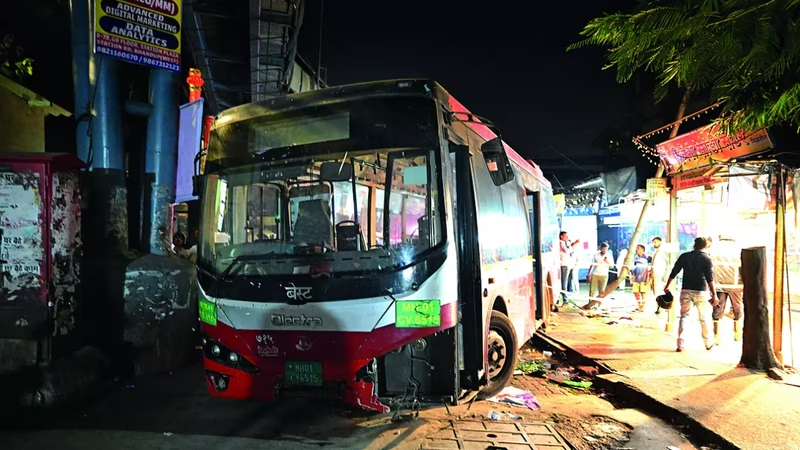
It was a scene of unimaginable horror on a quiet Monday night in Bhandup West. An electric AC BEST bus, attempting a U-turn, lost control and plowed into a group of pedestrians on the footpath, killing four people—including three women—and injuring at least nine others . The bus struck a pole before mowing down innocent bystanders, a chilling echo of a similar tragedy almost exactly a year ago .
This isn’t just another traffic incident. It’s a stark, brutal reminder of a city failing its most vulnerable citizens: its pedestrians. With this latest BEST bus accident, Mumbai is forced to confront a grim reality that officials have long ignored.
Table of Contents
- A Tragic Monday in Bhandup
- The Alarming Rise in BEST Bus Accidents
- Mumbai’s Pedestrian Safety Crisis
- Are Electric Buses Part of the Problem?
- What Needs to Change
- Conclusion: A City at a Crossroads
- Sources
A Tragic Monday in Bhandup
The December 29, 2025, accident near Bhandup railway station unfolded around 10 PM. Eyewitnesses described a scene of chaos as the bus reversed at high speed before careening onto the footpath . The victims were simply going about their evening—waiting for a train, heading home, or just passing by. Their lives were ended in an instant by a vehicle meant to serve the public.
The driver has been suspended, and an investigation is underway. But for the families of the deceased, this is a hollow gesture. They are left asking the same questions that have been asked after countless other tragedies: Why does this keep happening?
The Alarming Rise in BEST Bus Accidents
This incident is far from isolated. The data on BEST bus accident trends is deeply troubling. In the past five years alone, there have been 834 accidents involving BEST buses, claiming 88 lives . The situation appears to be getting worse. In 2025, there was a reported 43% rise in deaths from BEST bus accidents compared to the previous year .
Just weeks before the Bhandup crash, another deadly incident occurred on S.G. Barve Marg, where a BEST bus killed seven people and injured 42 . The frequency of these crashes is no longer a matter of bad luck; it points to systemic issues within the public transport system, from driver training and fatigue to vehicle maintenance and route planning.
Mumbai’s Pedestrian Safety Crisis
The Bhandup tragedy highlights a much larger, city-wide problem: the dangerous state of pedestrian infrastructure in Mumbai. Pedestrians are not just at risk from buses; they are the primary victims of the city’s road safety failures.
According to the Maharashtra state Economic Survey Report (2022-23), pedestrians account for a staggering 47% of all road accident deaths in Mumbai . A 2023 report from the Mumbai Traffic Police revealed that in that year alone, the city recorded 374 deaths in road accidents, with the majority of those killed being pedestrians .
Many of these footpaths are either too narrow, illegally encroached upon, or simply end abruptly, forcing people to walk on the road itself. In a city of over 20 million, this is a recipe for disaster. The Bhandup accident is a devastating example of what happens when public transport vehicles and unprotected pedestrians share the same space.
Are Electric Buses Part of the Problem?
The bus involved in the Bhandup crash was a new electric AC model, part of Mumbai’s push towards a greener public transport fleet. While the environmental intent is commendable, questions are now being raised about the safety and handling of these new vehicles.
Reports suggest that 2025 saw 18 major accidents involving electric buses, with 6 of them being fatal . The silent operation of electric vehicles, while a benefit in reducing noise pollution, can also pose a risk to pedestrians who may not hear them approaching. Furthermore, the instant torque of electric motors requires a different driving skillset, and it’s unclear if all drivers have received adequate, specialized training.
What Needs to Change
After every accident, the cycle is the same: public outcry, a suspended driver, promises of an inquiry, and then silence until the next tragedy. To break this cycle, structural changes are imperative.
- Infrastructure Overhaul: A massive investment in wide, unobstructed, and continuous footpaths is non-negotiable. [INTERNAL_LINK:urban-planning-mumbai]
- Driver Accountability & Training: Stricter screening, regular health checks, and specialized training for new vehicle types must be enforced.
- Enforcement of Traffic Laws: The city must crack down on reckless driving from all vehicles, not just buses. [INTERNAL_LINK:mumbai-traffic-laws]
- Transparent Data & Reporting: The public deserves access to clear, real-time data on accidents to hold authorities accountable.
Conclusion: A City at a Crossroads
The BEST bus accident in Bhandup is a human tragedy that exposes the deep fault lines in Mumbai’s urban planning and public safety policies. It’s a city that has prioritized vehicles over people for far too long. Until this changes, the footpaths of Mumbai will remain a dangerous place to be. The lives lost on that Monday night demand more than just our condolences; they demand our collective action to ensure that Mumbai’s streets are safe for everyone.
Sources
- Times of India: 2 Mondays, a year apart: BEST bus mows down 4, injures 14 in Mumbai
- Mumbai Traffic Police Annual Report 2023
- Maharashtra State Economic Survey Report, 2022-23
- Right to Information (RTI) data on BEST bus accidents