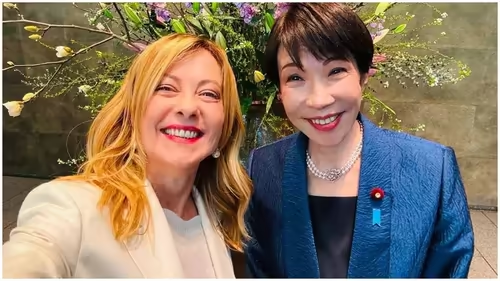
In an unexpected fusion of geopolitics and pop culture, Italian Prime Minister **Giorgia Meloni** has captured global attention—not with a policy speech, but with a dreamy, **Ghibli-style anime** illustration shared alongside a warm selfie with Japan’s newly appointed Prime Minister **Sanae Takaichi**.
Posted on X (formerly Twitter), the image features the two leaders reimagined as characters from a Studio Ghibli film—soft watercolor skies, flowing hair, and serene expressions—captioned with a message celebrating “friendship, cooperation, and shared values” between Italy and Japan . The post instantly went viral, with users dubbing them “two extraordinary leaders” and praising the creative blend of diplomacy and digital artistry. But beyond the aesthetic appeal, what does this gesture signify in the realm of international relations?
Table of Contents
- The Post That Broke the Internet
- Meloni Ghibli-Style Anime: Decoding the Symbolism
- Why Ghibli? Why Now? The Strategic Choice of Aesthetic
- Public and Diplomatic Reactions: Online Frenzy vs. Realpolitik
- The Rise of Pop Culture Diplomacy in Global Politics
- Conclusion: Charm Offensive or Substance Behind the Style?
- Sources
The Post That Broke the Internet
Meloni’s post featured two images: a candid selfie of her and Takaichi smiling warmly during a bilateral meeting in Rome, and a stunning side-by-side digital painting in the unmistakable style of **Hayao Miyazaki’s Studio Ghibli**. The anime version depicted both leaders in elegant, wind-swept attire, standing atop a hill overlooking a peaceful landscape—a visual metaphor for vision, partnership, and harmony.
The caption read: “Two extraordinary women, two great nations. Italy and Japan stand together for peace, innovation, and mutual respect.” Within hours, the post garnered over 500,000 likes and tens of thousands of comments, with fans creating fan art, memes, and even short animations inspired by the duo.
Meloni Ghibli-Style Anime: Decoding the Symbolism
This wasn’t just a cute photo op—it was a carefully curated piece of **soft power diplomacy**. Studio Ghibli films like *My Neighbor Totoro* and *Spirited Away* are globally beloved for their themes of environmentalism, pacifism, and cross-cultural understanding—values both Italy and Japan wish to project.
By choosing Ghibli aesthetics, Meloni and Takaichi signaled more than friendship; they aligned themselves with a cultural brand that transcends borders. In a world often dominated by conflict and tension, the imagery offered a refreshing narrative of hope and collaboration.
Why Ghibli? Why Now? The Strategic Choice of Aesthetic
The timing is no coincidence. Italy and Japan are deepening strategic ties in several key areas:
- Defense & Security: Both nations are strengthening Indo-Pacific partnerships amid rising regional tensions.
- Technology & AI: Joint ventures in semiconductor manufacturing and ethical AI frameworks are underway.
- Cultural Exchange: 2026 marks the 160th anniversary of Italy-Japan diplomatic relations, with major events planned.
Using Ghibli—a universally respected Japanese cultural export—allows Italy to show respect for Japan’s soft power while positioning itself as a culturally attuned partner. It’s diplomacy dressed in anime robes.
Public and Diplomatic Reactions: Online Frenzy vs. Realpolitik
Online, the response was overwhelmingly positive. “Finally, world leaders who understand the language of beauty,” wrote one user. Others joked about a *Princess Mononoke*-style anime where Meloni and Takaichi battle climate change.
But some critics questioned the substance behind the style. “Pretty pictures won’t fix trade imbalances or defense logistics,” noted a foreign policy analyst on LinkedIn. Still, even skeptics admitted the move was a masterstroke in **digital public diplomacy**—especially among younger, globally connected audiences who consume politics through social media.
Notably, Japan’s Ministry of Foreign Affairs reshared the post, signaling official endorsement of this unconventional outreach.
The Rise of Pop Culture Diplomacy in Global Politics
Meloni’s anime post is part of a growing trend where world leaders leverage pop culture to build rapport:
- South Korea’s BTS diplomacy boosted its global image and soft power index rankings.
- New Zealand’s Jacinda Ardern used memes and casual Instagram stories to humanize leadership.
- Ukraine’s Volodymyr Zelenskyy, a former comedian, mastered cinematic wartime messaging.
As traditional press conferences lose traction, leaders are turning to visual storytelling—where a single image can convey alliance, empathy, and modernity faster than a 10-page communiqué.
Conclusion: Charm Offensive or Substance Behind the Style?
The Meloni Ghibli-style anime moment may seem whimsical, but it’s rooted in strategic intent. In an era where perception shapes reality, projecting warmth, cultural fluency, and shared values can be as important as signing treaties. Whether this leads to tangible policy outcomes remains to be seen—but one thing is clear: the future of diplomacy might just be hand-drawn, watercolored, and set to Joe Hisaishi’s piano score.