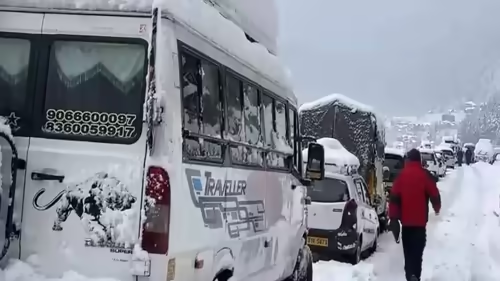
The dream vacation to the snow-capped hills of Manali has turned into a logistical nightmare for hundreds of tourists. A colossal Manali traffic jam, stretching over 8 kilometers, has brought the region to a standstill, forcing families with children and elderly passengers to make an impossible choice: wait indefinitely in their freezing cars or trek 10-20 kilometers on foot with all their luggage .
Table of Contents
- The Manali Gridlock: A Humanitarian Crisis
- Why Is the Manali Traffic Jam So Bad?
- The Perfect Storm of Factors Behind the Chaos
- What to Do If You’re Caught in a Manali Traffic Jam
- The Future of Tourism in Himachal Pradesh
- Conclusion: Navigating the Unpredictable Roads of Manali
- Sources
The Manali Gridlock: A Humanitarian Crisis
This isn’t just a minor delay; it’s a full-blown crisis. The jam, which began on Friday evening, has persisted for over 24 hours with no clear end in sight . The primary bottleneck is the stretch between Manali and Patli-Khol, where thousands of vehicles are at a complete standstill . To make matters worse, every single hotel in Manali is operating at 100% capacity, leaving stranded travelers with nowhere to go for warmth or shelter .
The situation has become so dire that many have been forced to leave their vehicles behind. Imagine a family with young children, lugging heavy suitcases through snow and slush for up to 20 kilometers just to reach their booked accommodation. This level of exhaustion and distress is simply unacceptable for a destination marketed as a relaxing getaway.
Why Is the Manali Traffic Jam So Bad?
The root cause of this specific Manali traffic jam is a combination of heavy snowfall and a massive, unexpected surge in tourist numbers. The season’s first significant snowfall has drawn crowds eager for a white Christmas experience, overwhelming the local infrastructure .
Compounding the problem is the state of the roads. Himachal Pradesh is currently grappling with the closure of a staggering 685 roads due to snow and landslides, severely limiting alternative routes and diversion options . The main artery, National Highway 3 (NH3), which connects Manali to the rest of the country, is particularly vulnerable during winter months.
The Perfect Storm of Factors Behind the Chaos
Several key factors have converged to create this perfect storm of chaos:
- Unprecedented Tourist Influx: The allure of fresh snow has triggered a massive, unseasonal rush of visitors, far exceeding the area’s carrying capacity .
- Severe Weather Conditions: A fresh western disturbance is forecasted by the India Meteorological Department (IMD), promising more snow and intensifying the cold wave, which will only worsen road conditions .
- Infrastructure Limitations: The mountainous terrain offers limited space for roads, and the existing network is not designed to handle such extreme volumes of traffic, especially in adverse weather.
- Road Closures: With 685 roads shut across the state, there is virtually no way to divert traffic, causing a catastrophic pile-up on the few open routes .
What to Do If You’re Caught in a Manali Traffic Jam
If you’re planning a trip to the region or are already en route, it’s crucial to be prepared. Authorities are advising travelers to account for a delay of 4 to 6 hours just to reach Manali or their final destination beyond it . Here’s a practical checklist:
- Check Live Road Status: Before you leave, always check the official Himachal Pradesh government portal for real-time updates on road closures and conditions.
- Pack Essentials: Carry ample food, water, warm blankets, and emergency medical supplies in your vehicle. Assume you could be stuck for a very long time.
- Verify Hotel Booking: Confirm your accommodation is not only booked but also accessible. Many hotels are full, and even if you have a reservation, you might not be able to reach them .
- Consider Postponing: Given the current state of emergency, it may be wise to postpone non-essential travel to the Manali region until the situation stabilizes.
For those interested in the famed Rohtang Pass, it’s important to know that it is currently closed for the winter season, which adds to the congestion on lower-altitude roads as all traffic is funneled through them .
The Future of Tourism in Himachal Pradesh
This incident raises serious questions about sustainable tourism in fragile Himalayan ecosystems. The state’s economy is heavily reliant on tourism, but the current model appears to be reaching its breaking point. There is an urgent need for [INTERNAL_LINK:sustainable-tourism-in-himachal-pradesh] policies that can manage visitor numbers, improve infrastructure resilience, and ensure the safety and well-being of both tourists and locals.
Without a strategic overhaul, these chaotic scenes are likely to become a recurring feature of the winter season, damaging the region’s reputation as a premier travel destination.
Conclusion: Navigating the Unpredictable Roads of Manali
The current Manali traffic jam is a stark reminder that travel in the Himalayas comes with inherent risks and unpredictability. While the beauty of the region is undeniable, it demands respect, preparation, and a healthy dose of caution from its visitors. For now, the priority must be on the safe evacuation and support of the hundreds of stranded tourists who are living through a vacation they will never forget—for all the wrong reasons.