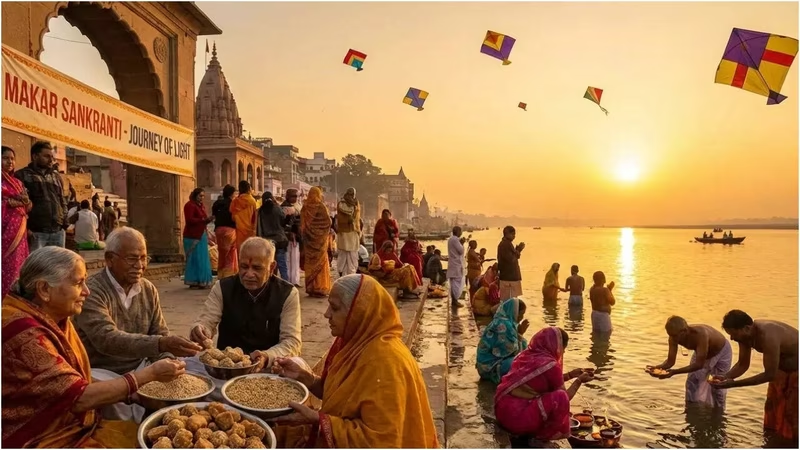
January 14, 2026, isn’t just another winter morning—it’s Makar Sankranti, one of the most spiritually potent days in the Hindu calendar. Unlike most Indian festivals that follow the lunar cycle, Makar Sankranti is solar-based, marking the exact moment the Sun enters Capricorn (Makara) and begins its six-month northward journey—known as Uttarayan.
This shift isn’t just astronomical; it’s deeply symbolic. Uttarayan represents the triumph of light over darkness, knowledge over ignorance, and hope over despair. And according to Vedic tradition, any good deed performed on this day carries amplified karmic rewards.
But what should you actually do on Makar Sankranti 2026 to harness its full potential? From pre-dawn baths to mindful charity, the rituals are designed not just for ritual’s sake—but for real physical, mental, and spiritual transformation. Let’s dive into the authentic, time-tested practices that make this day truly auspicious.
Table of Contents
- Why Makar Sankranti Is Unique Among Indian Festivals
- Makar Sankranti 2026 Timings and Auspicious Periods
- 7 Essential Rituals for Makar Sankranti 2026
- The Science Behind Til (Sesame) and Gur (Jaggery)
- Regional Variations in Celebration
- What to Avoid on This Day
- Conclusion: Embrace the Light of Uttarayan
- Sources
Why Makar Sankranti Is Unique Among Indian Festivals
While Diwali or Holi shift dates yearly, Makar Sankranti falls almost always on January 14 (or January 15 in leap years). It’s a fixed point in the cosmic calendar—a day when the Earth’s tilt aligns to welcome longer, warmer days.
Ancient sages designated this day for daan (charity), snan (ritual bath), and puja (worship) because they believed the Sun’s energy was especially receptive to human intention. In fact, the Mahabharata mentions Bhishma Pitamaha choosing this very day to leave his body, underscoring its spiritual significance.
Makar Sankranti 2026 Timings and Auspicious Periods
In 2026, the Sun enters Makara at 2:47 AM IST on January 14. The most auspicious time for rituals is during Mahapunya Kaal, which begins at sunrise and lasts until midday—approximately 7:15 AM to 12:30 PM across most of India.
Performing key activities during this window is believed to multiply their positive effects manifold.
7 Essential Rituals for Makar Sankranti 2026
1. Early Morning Holy Bath (Snan)
Wake before sunrise and take a bath—preferably in a river, lake, or with water infused with til (sesame) and gur (jaggery). This act symbolizes washing away past negativity and purifying the body for new energy.
2. Offer Arghya to the Sun God
After bathing, face the rising sun and offer water mixed with red sandalwood, rice, and flowers. Chant the Gayatri Mantra or simply say, “Om Suryaya Namah.” This practice, called Arghya, honors Surya—the source of all life.
3. Share Til-Gul with Loved Ones
The iconic phrase “Til-gul ghya, god god bola” (Eat sesame-jaggery, speak sweetly) isn’t just folklore. Exchanging these sweets fosters forgiveness, mends relationships, and spreads warmth—both literal and emotional.
4. Perform Charity (Daan)
Donate black sesame seeds, jaggery, blankets, or warm clothes to the needy. According to scriptures, giving on Makar Sankranti brings prosperity and shields against future hardships. Even a small act counts—intent matters more than scale.
5. Light a Diya with Sesame Oil
Light a lamp using sesame oil in your home temple or near the Tulsi plant. Sesame oil is considered sacred and is believed to please ancestors and deities alike.
6. Meditate or Practice Mindful Breathing
Spend 10–15 minutes in silence, focusing on your breath. With the Sun’s energy at its most benevolent, this is an ideal time for setting intentions for the year ahead.
7. Eat Sattvic, Seasonal Food
Consume freshly cooked meals with seasonal ingredients—like sweet potatoes, groundnuts, and khichdi. Avoid non-vegetarian food and alcohol to maintain the day’s purity.
The Science Behind Til (Sesame) and Gur (Jaggery)
These aren’t just symbolic—they’re deeply practical. In peak winter:
- Sesame seeds are rich in healthy fats, calcium, and iron, boosting immunity and generating body heat.
- Jaggery aids digestion, prevents colds, and provides slow-release energy without spiking blood sugar like refined sugar.
Together, they form a natural winter wellness combo—proving ancient wisdom often aligns with modern nutrition science.
Regional Variations in Celebration
While the core theme remains the same, customs vary beautifully:
- Gujarat & Rajasthan: Kite flying dominates the skies, symbolizing rising spirits.
- Tamil Nadu: Pongal is cooked in clay pots, allowed to boil over as a sign of abundance.
- Assam: Magh Bihu features community feasts and bonfires (Meji).
- Punjab: Lohri is celebrated the night before with folk songs and dancing.
[INTERNAL_LINK:complete-guide-to-regional-harvest-festivals] explores these traditions in depth.
What to Avoid on This Day
To preserve the day’s sanctity, avoid:
- Non-vegetarian food and alcohol
- Negative speech or arguments
- Buying sharp objects (like knives or scissors)
- Starting major construction or financial investments (wait for Akshaya Tritiya instead)
Conclusion: Embrace the Light of Uttarayan
Makar Sankranti 2026 is more than a festival—it’s an invitation to reset, reconnect, and radiate positivity. By following these simple yet profound rituals, you align yourself with nature’s rhythm and invite health, harmony, and prosperity into your life. So rise with the sun, share sweetness, and let the light of Uttarayan guide your year ahead.
Sources
- Times of India: “What to do on Makar Sankranti on 14th January 2026” (January 13, 2026)
- Drik Panchang – Makar Sankranti 2026 Muhurat Timings
- Ayurvedic texts on seasonal diet (Charaka Samhita)
- National Institute of Nutrition (ICMR): Nutritional profile of sesame and jaggery