Indian Crew Detained in Iran: What’s Behind the MT Valiant Roar Crisis?
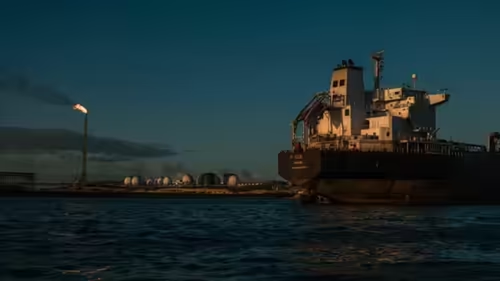
Sixteen Indian seafarers have been languishing in Iranian custody since December after their vessel, the MT Valiant Roar, was seized by Iranian authorities. The incident has triggered a quiet but intense diplomatic effort from New Delhi, which is now pressing Tehran for immediate consular access, legal representation, and regular communication between the detained crew and their anxious families back home. This unfolding situation—centered on the Indian crew detained in Iran—has raised urgent questions about maritime law, international diplomacy, and the safety of Indian nationals working overseas.
Table of Contents
- The Seizure: How the MT Valiant Roar Was Detained
- India’s Diplomatic Response and Key Demands
- Crew Wellbeing and Humanitarian Concerns
- Legal Context: Why Iran Seized the Vessel
- Broader Implications for India-Iran Relations
- Conclusion: A Delicate Balancing Act
- Sources
The Seizure: How the MT Valiant Roar Was Detained
The MT Valiant Roar, a commercial oil tanker registered under an unspecified flag, was intercepted by Iran’s Islamic Revolutionary Guard Corps (IRGC) in late December 2025 near the Strait of Hormuz—a critical global shipping chokepoint . Iranian state media reported that the vessel was carrying smuggled fuel and had violated maritime regulations, though specific details about the alleged offense remain scarce .
All 16 crew members on board were Indian nationals, employed by a private shipping company based in Mumbai. They were immediately taken into custody and have since been held at an undisclosed location in Iran. Unlike past incidents involving Western crews, this case has flown under the radar—but not for lack of urgency from the Indian side.
India’s Diplomatic Response and Key Demands
The Ministry of External Affairs (MEA) has confirmed it is “closely monitoring” the situation and has been in continuous contact with Iranian authorities. In a formal statement, the Indian Embassy in Tehran emphasized that the crew is “subject to judicial process” but stressed the need for due process and humane treatment .
India’s core demands include:
- Consular access: Immediate and regular visits by Indian diplomats to verify the crew’s health and legal status.
- Legal representation: Permission for the sailors to engage independent lawyers.
- Family communication: Facilitation of phone or video calls with relatives in India.
- Provisioning of the vessel: Ensuring food, water, and medical supplies are available if the ship remains anchored.
These requests align with the Vienna Convention on Consular Relations, which Iran has ratified, making them legally grounded—not just diplomatic pleas .
Crew Wellbeing and Humanitarian Concerns
Families of the detained sailors have expressed growing distress over the lack of information. Many report receiving no direct contact from their loved ones for weeks. “We only know he’s alive because the embassy told us,” said one family member from Kerala, where several of the crew hail from .
Maritime unions and human rights advocates warn that prolonged detention without consular access can lead to psychological trauma, legal vulnerability, and even coerced confessions. The International Transport Workers’ Federation (ITF) has called on both governments to resolve the matter swiftly and transparently .
Legal Context: Why Iran Seized the Vessel
Iran has a history of seizing foreign vessels in retaliation for perceived economic or political slights—often involving oil sanctions or asset freezes. In recent years, tankers linked to the U.S., UK, and South Korea have been detained under similar pretexts of “fuel smuggling” or “navigation violations” .
However, experts note that the MT Valiant Roar appears to be a commercial, non-sanctioned vessel. If the seizure was indeed based on legitimate customs violations, a swift legal process should follow. But if it’s politically motivated—as some analysts speculate—it could complicate India’s already delicate balancing act between Iran and Western allies .
Broader Implications for India-Iran Relations
This incident occurs at a sensitive time in India-Iran ties. While India relies on Iran for strategic connectivity projects like the Chabahar Port—and has historically maintained neutral ground amid U.S.-Iran tensions—the detention of its citizens tests that neutrality .
New Delhi must navigate carefully: pushing too hard could strain bilateral cooperation, but appearing passive could spark domestic backlash. The government’s measured, process-driven approach reflects this tightrope walk. For now, India is leveraging backchannel diplomacy while publicly urging adherence to international norms—a strategy seen in past cases like the 2019 detention of an Indian ship in Bandar Abbas .
Conclusion: A Delicate Balancing Act
The plight of the Indian crew detained in Iran is more than a maritime mishap—it’s a test of diplomatic resilience, legal rights, and human dignity. While Iran insists the matter is “subject to judicial process,” India’s persistent push for consular access underscores its commitment to protecting its citizens abroad. As families wait for news and diplomats negotiate behind closed doors, the world watches how two nations with deep historical ties handle a crisis that blends law, politics, and humanity. For ongoing updates on international maritime incidents, see [INTERNAL_LINK:India_maritime_security_updates].
Sources
- Times of India: ‘Subject to judicial process’: Embassy on Indian crew detained in Iran; seeks ‘consular access’
- Ministry of External Affairs, Government of India: Official Statements Archive
- International Transport Workers’ Federation (ITF): Seafarers’ Rights and Detention Cases