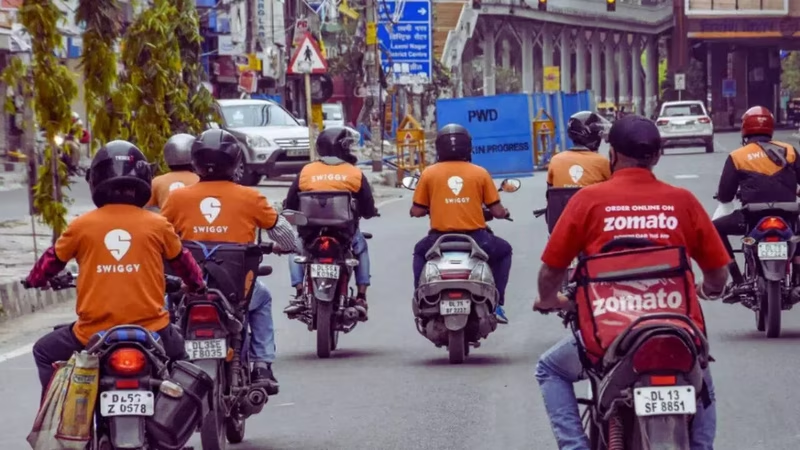
New Year’s Eve 2025 won’t be remembered just for fireworks and countdowns—it’s also the day thousands of food and parcel delivery workers across India hit pause on their apps and hit the streets in protest. Organized under the banner of the Indian Federation of App-based Transport Workers (IFAT), this unprecedented nationwide gig workers strike targets one of the most controversial practices in the on-demand economy: the 10-minute delivery promise .
From Mumbai to Hyderabad, Delhi to Bengaluru, riders left their bikes idle, refusing to fulfill orders as they demanded systemic change from major platforms like Swiggy, Zomato, and Blinkit. Their message was clear: human beings aren’t machines, and speed should never come at the cost of safety, dignity, or fair wages.
Table of Contents
- Why 10-Minute Delivery Is Dangerous
- The Real Cost of Speed: Unfair Pay and Algorithmic Pressure
- Gig Workers Strike: A Nationwide Movement
- Who Is IFAT and What Do They Want?
- What Companies Say vs. What Workers Experience
- The Bigger Picture: Social Security for Gig Workers
- What Happens Next?
- Conclusion: Listening to the Voices Behind the Apps
- Sources
Why 10-Minute Delivery Is Dangerous
Promising food or groceries in under 10 minutes might sound like a tech marvel to consumers, but for delivery workers, it’s a recipe for disaster. To meet these unrealistic time windows, riders are forced to:
- Race through traffic without helmets or proper safety gear
- Run red lights and take life-threatening shortcuts
- Work excessive hours without breaks
- Navigate chaotic urban streets under constant algorithmic surveillance
Studies from institutions like the International Labour Organization (ILO) have repeatedly highlighted how algorithm-driven gig work increases accident risks and mental stress . In India, where road safety infrastructure is already under strain, the 10-minute model pushes workers to the edge—literally and figuratively.
The Real Cost of Speed: Unfair Pay and Algorithmic Pressure
It’s not just about time—it’s about money. According to IFAT, platform companies have quietly altered their payout structures, reducing base earnings while increasing reliance on performance-based incentives tied to delivery speed .
This means a worker might earn ₹30 for a standard delivery but only ₹15 if they’re “late”—even by 30 seconds. Worse, the algorithms that assign orders often lack transparency. Workers report being penalized for delays caused by restaurant preparation times or traffic jams, factors entirely outside their control.
“We’re not asking for luxury,” said one Hyderabad-based rider. “We’re asking to earn a living without risking our lives or being treated like robots.”
Gig Workers Strike: A Nationwide Movement
The decision to strike on December 31, 2025—a peak delivery night when platforms typically see their highest order volumes—was strategic. By withdrawing labor during a high-revenue window, workers aim to demonstrate their essential role in the ecosystem.
Early reports indicate significant disruptions in major cities, with delivery times on apps jumping from 10 minutes to over 45 minutes or showing “no riders available.” Social media filled with screenshots of frustrated customers, but also growing public support for the workers’ cause .
Who Is IFAT and What Do They Want?
The Indian Federation of App-based Transport Workers (IFAT) is a coalition of gig worker unions from over 20 Indian states. Formed in 2020, IFAT has been at the forefront of advocating for digital labor rights in India’s booming gig economy .
Their core demands in this strike include:
- Immediate removal of the 10-minute delivery option from all platforms
- Reinstatement of the previous, fairer payout structures
- Transparency in algorithmic order assignment and rating systems
- Access to social security benefits under the Code on Social Security, 2020
What Companies Say vs. What Workers Experience
Platforms like Swiggy and Zomato have long marketed their 10-minute services (e.g., Swiggy Instamart, Blinkit) as innovations in convenience. In official statements, they claim to prioritize rider safety and offer “flexible earning opportunities.”
But on the ground, the reality is starkly different. Workers report that safety training is minimal, insurance coverage is inadequate, and any complaint about unfair ratings can lead to deactivation—a digital death sentence for their livelihoods. [INTERNAL_LINK:gig-economy-india-reality]
The Bigger Picture: Social Security for Gig Workers
Beyond delivery times and pay cuts, this strike is part of a larger fight for recognition. India’s gig workers—estimated at over 15 million—are largely classified as “independent contractors,” which excludes them from benefits like health insurance, pensions, and paid leave.
The 2020 Social Security Code promised to extend coverage to platform workers, but implementation has been slow and vague. IFAT argues that without legal recognition as workers—not “partners”—real change is impossible.
What Happens Next?
If platforms refuse to negotiate, IFAT has hinted at more sustained actions, including weekly strikes and legal challenges. With public awareness growing and political parties beginning to take notice ahead of upcoming state elections, the pressure is mounting.
Consumers, too, have a role to play. Opting for “no-rush” delivery options or tipping generously can signal solidarity. But systemic change will require policy intervention and corporate accountability.
Conclusion: Listening to the Voices Behind the Apps
The gig workers strike on New Year’s Eve is more than a labor dispute—it’s a wake-up call. It forces us to ask: at what cost do we demand instant gratification? The riders who weave through traffic to bring us dinner are not cogs in a machine. They are human beings deserving of safety, fair pay, and respect. As India’s gig economy grows, so must our sense of ethical responsibility.