NHAI Sounds Alarm: Fake FASTag Passes Are Targeting Indian Drivers
In a critical public safety notice, the National Highways Authority of India (NHAI) has warned citizens about a surge in counterfeit fake FASTag passes being sold through unofficial channels. These fraudulent tags not only lead to double toll deductions and blacklisting but can also be used to track your vehicle or facilitate identity theft. With millions of vehicles now using FASTag for seamless highway travel, scammers are exploiting public trust—and NHAI is urging immediate vigilance .
If you’ve bought a FASTag from a roadside vendor, an unverified online seller, or even a seemingly legitimate third-party app, your vehicle could be at risk. The good news? Protecting yourself is simple—if you know what to look for.
Table of Contents
- What Are Fake FASTag Passes and How Do They Work?
- Fake FASTag passes: NHAI’s Official Warning & Red Flags
- How to Verify If Your FASTag Is Genuine
- Where to Buy a Legitimate FASTag: Safe Channels Only
- What to Do If You Already Have a Fake FASTag
- Why This Scam Is More Dangerous Than You Think
- Conclusion: Stay Smart, Stay Safe on the Highway
- Sources
What Are Fake FASTag Passes and How Do They Work?
Fake FASTag passes are counterfeit RFID stickers designed to mimic official tags issued by authorized banks and payment providers. Scammers create these using low-cost NFC chips and print them with logos of real banks (like SBI, HDFC, or Paytm Payments Bank). They’re often sold at petrol pumps, highway dhabas, or via social media ads at “discounted” prices.
Once affixed to your windshield, these tags may work temporarily—but they’re usually linked to inactive or shared wallets. This leads to:
- Double toll charges (once from your real account, once from the scammer’s)
- Blacklisting at toll plazas due to insufficient balance
- Data harvesting—some fake tags transmit your vehicle number to external servers
Fake FASTag passes: NHAI’s Official Warning & Red Flags
NHAI, in coordination with the Ministry of Road Transport, has outlined clear signs of a counterfeit tag :
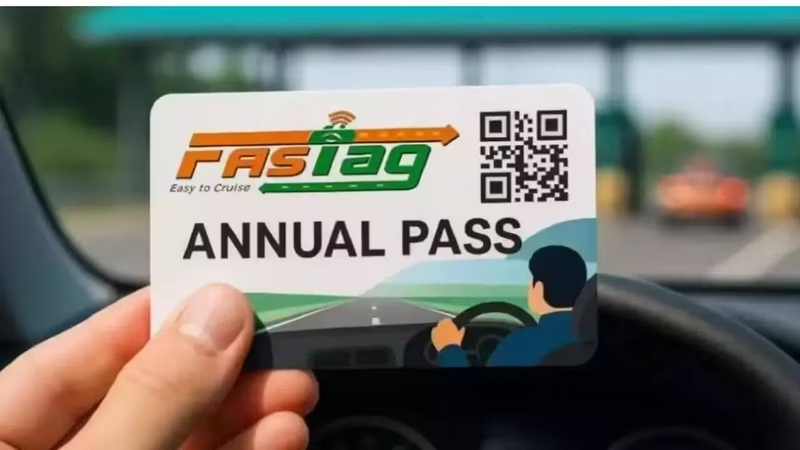
- No visible QR code or a non-scannable one
- Missing or incorrect hologram (genuine tags have a silver NHAI-certified hologram)
- Seller refuses to link it to your KYC-verified mobile number
- Price is significantly lower than the standard ₹100–₹400 range
- Packaging lacks bank branding or contact details
“These fake tags compromise not just your wallet, but national toll collection integrity,” said an NHAI spokesperson.
How to Verify If Your FASTag Is Genuine
You can check your FASTag’s authenticity in under 60 seconds:
- Scan the QR code on the tag using your phone camera—it should redirect to the issuer’s official portal (e.g., fastag.onlinesbi.com).
- Log in to the MyFASTag app (by NPCI) and enter your vehicle number. If the tag isn’t registered, it’s likely fake.
- Call your issuing bank’s customer care and provide the 14-digit FASTag ID (printed on the sticker).
If any step fails, deactivate the tag immediately [INTERNAL_LINK:how-to-deactivate-fastag].
Where to Buy a Legitimate FASTag: Safe Channels Only
NHAI and RBI authorize FASTag issuance only through:
- Official bank websites/apps (SBI, ICICI, HDFC, Axis, etc.)
- Authorized points of sale at NHAI toll plazas (look for the green ‘FASTag Issuance’ counter)
- Verified e-commerce platforms like Amazon, Flipkart (sold *by* the bank, not third-party sellers)
- MyFASTag app – allows direct purchase with Aadhaar-based KYC
Avoid Facebook Marketplace, WhatsApp vendors, or local mechanics offering “instant FASTag”—these are major scam hubs.
What to Do If You Already Have a Fake FASTag
Don’t panic—but act fast:
- Peel off and destroy the fake tag (do not reuse).
- File a complaint on the NHAI FASTag Portal under ‘Grievance’.
- Report to cybercrime.gov.in if you shared personal/financial details.
- Purchase a new, genuine FASTag from an official source.
Your vehicle won’t be penalized if you report proactively.
Why This Scam Is More Dangerous Than You Think
Beyond financial loss, fake FASTags pose serious security risks. Cybersecurity experts warn that some counterfeit tags contain hidden trackers that log your daily commute patterns—a potential threat to personal safety . Additionally, mass use of fake tags undermines the entire electronic toll collection system, causing revenue losses that could delay highway maintenance projects nationwide.
Conclusion: Stay Smart, Stay Safe on the Highway
The rise of fake FASTag passes is a stark reminder that convenience must never override caution. By sticking to official channels and verifying your tag, you protect not just your money—but your privacy and your vehicle’s digital footprint. As NHAI ramps up enforcement, staying informed is your best defense. Don’t let scammers turn your smooth highway ride into a nightmare.
Sources
- Times of India: NHAI alert: How to avoid the fake FASTag passes scam and protect your vehicle
- NHAI Official FASTag Portal: https://fastag.nhai.gov.in/
- NPCI MyFASTag App Guidelines: National Payments Corporation of India
- Indian Computer Emergency Response Team (CERT-In): Advisory on RFID Skimming Threats, 2025