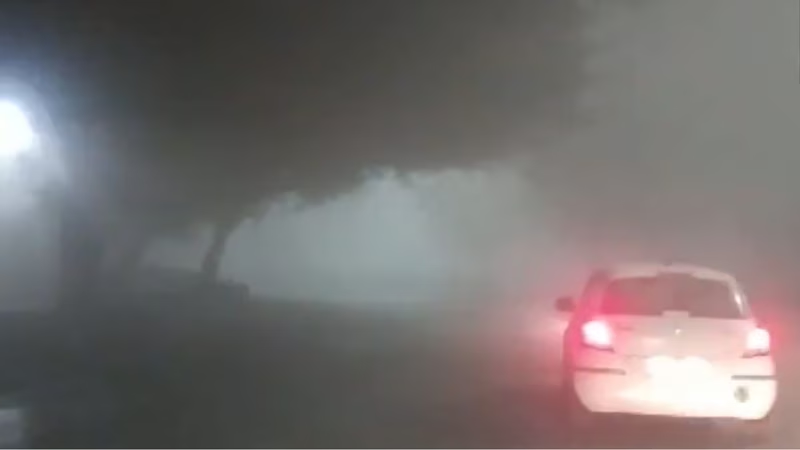
Delhi woke up shivering on Thursday, January 15, 2026, as a biting cold wave enveloped the capital and its surrounding regions. With minimum temperatures hovering around 4°C and visibility dropping to less than 200 meters in some areas, the India Meteorological Department (IMD) issued a **yellow alert**—warning residents to stay cautious and prepare for travel disruptions .
The combination of freezing temperatures, dense fog, and persistently poor air quality has created a hazardous cocktail for the nearly 30 million people living in the National Capital Region (NCR). At Indira Gandhi International Airport, over 40 flights were delayed or diverted, stranding passengers and causing ripple effects across domestic routes. Meanwhile, schools remained closed in several districts, and hospitals reported a surge in respiratory complaints.
This isn’t just a chilly morning—it’s a public health emergency wrapped in fog. And while relief may be on the horizon, the current Delhi cold wave demands immediate attention and action.
Table of Contents
- What Is the Delhi Cold Wave and Why Is It Dangerous?
- IMD Yellow Alert Explained
- Flight and Transport Disruptions
- The Toxic Mix of Fog and Poor Air Quality
- Health Risks and Winter Safety Tips
- When Will Temperatures Rise?
- Conclusion: Staying Informed and Prepared
- Sources
What Is the Delhi Cold Wave and Why Is It Dangerous?
A “cold wave” is declared by the IMD when the minimum temperature drops to 10°C or below *and* is at least 4.5°C below normal for two consecutive days. In extreme cases—like parts of Delhi this week—temperatures can fall to 4–5°C, with wind chill making it feel even colder.
But the real danger lies in the **combination** of cold, fog, and pollution. Dense fog forms when moisture in the air condenses near the ground—a common occurrence in Delhi’s winter due to irrigation in nearby farm belts and low wind speeds. This fog then traps pollutants like PM2.5 and nitrogen dioxide, creating smog that lingers for days.
For vulnerable groups—children, the elderly, and those with asthma or heart conditions—this environment can be life-threatening.
IMD Yellow Alert Explained
The IMD uses a color-coded warning system:
- Green: No warning
- Yellow: Be aware—weather may cause inconvenience
- Orange: Be prepared—potential for significant impact
- Red: Take action—severe or widespread impact expected
A **yellow alert** for cold wave means authorities expect disruption to transport, possible school closures, and increased health risks. It’s a call for citizens to take preventive measures—not panic, but prepare.
Flight and Transport Disruptions
At Delhi’s IGI Airport, the dense fog reduced visibility to near-zero levels during early morning hours, forcing air traffic control to implement “low visibility procedures” (LVP). Under LVP, the gap between landing aircraft increases from 3–4 minutes to 8–10 minutes, drastically reducing runway capacity.
As a result:
- Over 35 domestic flights were delayed by 2+ hours
- 8 flights were diverted to Jaipur, Amritsar, and Lucknow
- Rail services on the Delhi-Rohtak and Delhi-Panipat routes experienced 30–60 minute delays
Commuters using metro and buses also faced longer wait times due to reduced speeds and safety protocols.
The Toxic Mix of Fog and Poor Air Quality
While fog itself is water vapor, in Delhi it rarely exists in pure form. It mixes with vehicle emissions, industrial pollutants, and residual stubble smoke to create **smog**—a toxic aerosol that penetrates deep into the lungs.
On Thursday, Delhi’s Air Quality Index (AQI) stood at **385** (“very poor” category), with PM2.5 levels nearly 8 times above WHO safety limits . This synergy between cold wave and pollution creates a double health hazard: hypothermia risk from the cold, and respiratory distress from the air.
For more on how to protect yourself, see our guide on [INTERNAL_LINK:delhi-air-pollution-health-tips].
Health Risks and Winter Safety Tips
Doctors at AIIMS and Max Hospitals report a 40% spike in cases of bronchitis, pneumonia, and cardiac stress since the cold wave began. To stay safe:
- Limit outdoor activity, especially between 6–10 AM when fog and pollution peak.
- Wear layered clothing and cover your nose and mouth with a scarf to warm inhaled air.
- Use N95 masks if you must go outside—cloth masks won’t filter PM2.5.
- Keep homes well-ventilated but insulated; avoid unvented heaters that emit carbon monoxide.
- Stay hydrated—cold air is dry and dehydrates you faster than you realize.
When Will Temperatures Rise?
There’s light at the end of the tunnel. According to the IMD, a **feeble western disturbance** will approach North India on Friday, January 16, bringing cloud cover and slightly warmer nights . Daytime highs are expected to climb from 18°C to 22°C by Saturday.
Additionally, fresh snowfall is likely in Jammu & Kashmir and Himachal Pradesh around January 16, which could further influence regional weather patterns—but for Delhi, the worst of the cold wave appears to be ending.
Conclusion: Staying Informed and Prepared
The Delhi cold wave is a stark reminder of how climate extremes and urban pollution can converge into a public health crisis. While the yellow alert may ease soon, the underlying vulnerabilities—aging infrastructure, inadequate healthcare access, and environmental degradation—remain. For now, staying informed through official IMD updates and taking simple precautions can make all the difference between discomfort and danger.
Sources
- Times of India: Delhi weather: City shivers as cold wave continues, IMD issues yellow alert
- India Meteorological Department: Official Weather Alerts
- Central Pollution Control Board: Delhi AQI Dashboard
- World Health Organization: Air Quality Guidelines