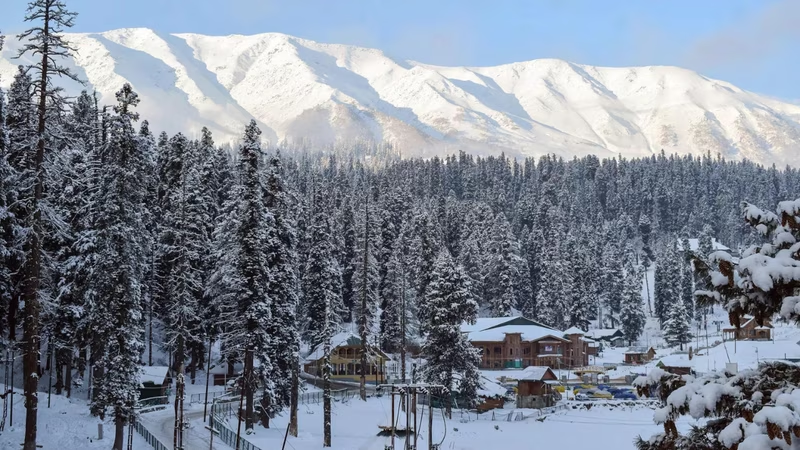
Kashmir is no stranger to winter—but when Chillai Kalan arrives, the entire valley shifts into a different rhythm. Marking the start of the region’s most intense cold spell, this 40-day period (typically from December 21 to January 31) brings heavy snowfall, sub-zero temperatures, and a unique blend of hardship and splendor. This year, however, Chillai Kalan isn’t just about survival—it’s sparking a tourism renaissance, filling hotels in Srinagar, Gulmarg, and Pahalgam to capacity, and reminding the world of Kashmir’s ethereal winter magic .
Yet beneath the Instagrammable snowscapes lies a deeply rooted cultural and ecological adaptation. From the iconic woolen pheran cloaks to the portable firepot kangri, Kashmiris have spent centuries mastering the art of thriving in extreme cold. And it’s not just people who rely on this season—farmers, birds, and even the Indian Army are all part of Chillai Kalan’s intricate dance.
Table of Contents
- What Is Chillai Kalan?
- Chillai Kalan and the Tourism Surge
- How Kashmiris Stay Warm: Pherans, Kangris, and More
- Why Chillai Kalan Is Vital for Agriculture
- Ecological and Security Dimensions
- Planning a Winter Trip to Kashmir?
- Conclusion: Living in Harmony with the Deep Freeze
- Sources
What Is Chillai Kalan?
Derived from Persian—*Chilla* meaning “forty days” and *Kalan* meaning “big” or “major”—Chillai Kalan is the coldest phase of winter in Kashmir. Meteorologically, it aligns with the harshest stretch of the season, when the region receives the bulk of its annual snowfall due to Western Disturbances .
Temperatures regularly plunge below -8°C (17°F), with Srinagar often recording sub-zero highs. Frozen lakes, snow-laden chinar trees, and silent, white streets define the landscape. Locals say that during Chillai Kalan, “even the crows shiver.”
Chillai Kalan and the Tourism Surge
This winter, Kashmir is witnessing an unprecedented influx of tourists. According to local tourism officials, hotels across Gulmarg, Sonamarg, and Pahalgam are **fully booked through January**—a trend rarely seen during peak summer months .
What’s driving this boom?
- Winter sports appeal: Gulmarg’s Gondola—the highest in the world—offers world-class skiing and snowboarding.
- Instagrammable aesthetics: Snow-covered houseboats on Dal Lake and frozen waterfalls are drawing digital creators and couples alike.
- Improved connectivity: The Srinagar Airport remains operational year-round, and road networks have seen major upgrades.
The J&K Tourism Department has also launched “Winter in Kashmir” festivals featuring shikara rides on half-frozen lakes, snow trekking, and traditional cuisine—turning Chillai Kalan from a season of retreat into one of celebration.
How Kashmiris Stay Warm: Pherans, Kangris, and More
Long before central heating, Kashmiris perfected low-tech, high-efficiency warmth. The two icons of Chillai Kalan are inseparable from daily life:
- Pheran: A long, loose woolen cloak worn by men and women. Traditionally made from *pashmina* or *ruga*, it traps body heat and allows layering. The women’s version often features intricate embroidery (sozni).
- Kangri: A portable earthen pot filled with glowing charcoal embers, tucked inside the pheran. It’s a personal heater—silent, smokeless, and effective—even during power outages.
Homes are also built with thick mud-brick walls and wooden ceilings to retain warmth. And let’s not forget noon chai (salted pink tea)—served hot with bread like girda or lavasa—a social and nutritional staple that fuels the body through the freeze.
Why Chillai Kalan Is Vital for Agriculture
While tourists see snow as scenic, farmers see it as salvation. The snowpack from Chillai Kalan acts as a **natural reservoir**, slowly melting in spring to irrigate orchards and paddy fields. Apples, cherries, and saffron—all iconic Kashmiri crops—depend on this winter moisture and the chilling hours required for dormancy .
Without adequate snowfall, crop yields plummet, and groundwater levels drop. In this sense, Chillai Kalan isn’t just a season—it’s the lifeline of Kashmir’s agrarian economy.
Ecological and Security Dimensions
Chillai Kalan also transforms Kashmir into a sanctuary for migratory birds. The wetlands of Hokersar and Mirgund welcome species like the Common Teal and Northern Pintail fleeing colder Siberian winters. Conservationists monitor these sites closely, as they’re critical to the Central Asian Flyway .
Meanwhile, the Indian Army maintains heightened vigilance. While heavy snow historically slows infiltration attempts, the military uses this period for intensive training in high-altitude warfare and avalanche rescue—ensuring readiness despite the freeze. As one Army spokesperson noted, “Chillai Kalan doesn’t mean calm—it means adaptation.”
Planning a Winter Trip to Kashmir?
If you’re drawn to the magic of Chillai Kalan, here’s what to know:
- Pack smart: Thermal layers, waterproof boots, and a good jacket are non-negotiable.
- Expect disruptions: Snowfall can temporarily close roads—build buffer days into your itinerary.
- Embrace local culture: Try a kangri (safely!), sip noon chai, and visit a wazwan feast.
And remember: this is not just a destination—it’s a living culture shaped by centuries of resilience. [INTERNAL_LINK:kashmir-travel-guide-winter] offers detailed itineraries and safety tips.
Conclusion: Living in Harmony with the Deep Freeze
Chillai Kalan is more than a meteorological event—it’s a testament to human and ecological adaptation. In a world racing toward artificial comfort, Kashmir’s winter wisdom offers profound lessons: sustainability isn’t about fighting nature, but flowing with it. As tourists flock to witness its beauty, let them also honor the quiet strength of a people who’ve turned deep freeze into deep culture.
Sources
- Times of India. “Snow, Kangris and Pherans: How Kashmir adapts to the rhythm of Chillai Kalan — inside the 40-day spell.” https://timesofindia.indiatimes.com/india/snow-kangris-and-pherans-how-kashmir-adapts-to-the-rhythm-of-chillai-kalan-inside-the-40-day-spell/articleshow/126369356.cms
- India Meteorological Department (IMD). “Western Disturbances and Winter Precipitation in J&K.” https://mausam.imd.gov.in
- SKUAST-Kashmir. “Impact of Snowfall on Horticulture in the Valley.” Sher-e-Kashmir University of Agricultural Sciences and Technology.
- BirdLife International. “Hokersar Wetland – Key Biodiversity Area.” https://www.birdlife.org