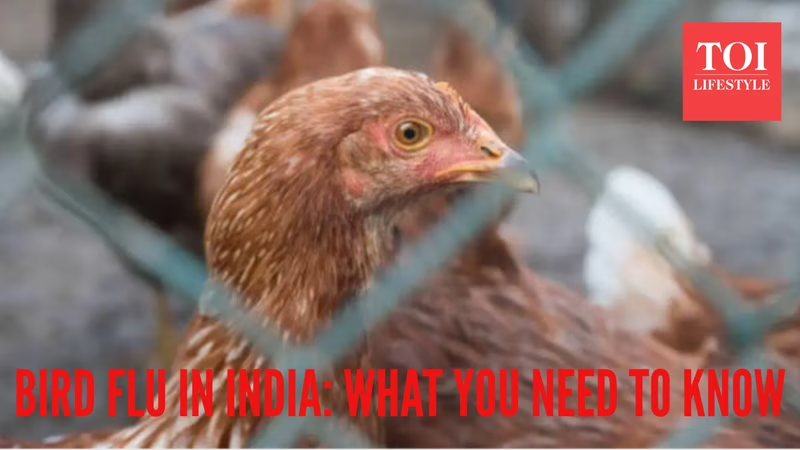
A new wave of concern is sweeping across India as a bird flu outbreak intensifies in several states. Official reports have confirmed cases of the H5N1 avian influenza virus in poultry, triggering culling operations and public health advisories. But beyond the headlines lies a more urgent question for citizens: Could this affect humans—and if so, what should you look out for?
While human infections from bird flu remain rare, they can be severe and even fatal if not caught early. The initial symptoms often mimic seasonal flu, making them easy to dismiss. However, by days 3–5, the condition can escalate dramatically—leading to serious respiratory distress, chest pain, and the production of thick, bloody sputum, signaling that the lungs are under attack . With lives potentially on the line, knowing what to watch for and how to prevent exposure is no longer optional—it’s essential.
Table of Contents
- What Is Bird Flu and Why Is It a Threat in India?
- Bird Flu in India: Early and Severe Symptoms
- Who Is at Highest Risk?
- Critical Prevention Tips to Stay Safe
- What to Do If You Suspect Infection
- Government Response and Surveillance
- Conclusion
- Sources
What Is Bird Flu and Why Is It a Threat in India?
Bird flu, or avian influenza, is a viral infection primarily affecting birds—both wild and domesticated. The H5N1 strain is of particular concern due to its high mortality rate in poultry and its potential to jump to humans through direct contact with infected birds or contaminated environments .
India’s dense poultry farming industry and close human-animal interactions in rural and semi-urban areas create a high-risk environment for spillover events. Recent outbreaks in states like Kerala, Haryana, and Maharashtra have prompted mass culling of birds to contain the spread—a standard but economically painful measure .
Bird Flu in India: Early and Severe Symptoms
Recognizing bird flu in India starts with understanding its symptom progression. Early signs (Days 1–2) can be deceptively mild:
- High fever (often above 38°C or 100.4°F)
- Cough (usually dry at first)
- Sore throat
- Muscle aches and fatigue
- Headache
But by Days 3–5, the illness can take a dangerous turn, especially if the virus reaches the lower respiratory tract. Warning signs of severe disease include:
- Severe breathing difficulties, even while at rest
- Sharp chest pain when coughing or taking deep breaths
- Production of thick, bloody sputum (a critical red flag)
- Rapid worsening of pneumonia
- Multi-organ failure in extreme cases
These symptoms indicate viral pneumonia or acute respiratory distress syndrome (ARDS)—conditions that require immediate hospitalization.
Who Is at Highest Risk?
Not everyone is equally vulnerable. Those most at risk of contracting bird flu include:
- Poultry farm workers and bird handlers
- Veterinarians and animal health inspectors
- People living near infected poultry farms
- Individuals who consume undercooked poultry or eggs from unknown sources
- Children and the elderly with weaker immune systems
Importantly, there is currently no evidence of sustained human-to-human transmission of H5N1. Most human cases result from direct exposure to infected birds .
Critical Prevention Tips to Stay Safe
Prevention is your best defense. Here’s how to protect yourself and your family:
- Avoid contact with sick or dead birds. Do not touch, handle, or consume them.
- Ensure poultry and eggs are thoroughly cooked (internal temperature of 70°C or 158°F).
- Wash hands frequently with soap and water, especially after handling raw meat or eggs.
- Use masks and gloves if you work in poultry farming or live near affected areas.
- Report unusual bird deaths to local animal husbandry authorities immediately.
What to Do If You Suspect Infection
If you develop flu-like symptoms and have had recent exposure to poultry in an affected area:
- Isolate yourself immediately to avoid potential spread.
- Call your local health department or visit a government hospital—do not self-medicate.
- Mention your possible bird exposure to the doctor; this is crucial for accurate diagnosis.
- Testing for H5N1 is available at designated National Institute of Virology (NIV) labs across India.
Early antiviral treatment with Oseltamivir (Tamiflu) can significantly improve outcomes if started within 48 hours of symptom onset .
Government Response and Surveillance
The Indian government, through the Department of Animal Husbandry and Dairying and the Ministry of Health, has activated a robust response. This includes:
- Setting up 5-km infected zones around outbreak sites
- Mass culling of infected and at-risk poultry
- Enhanced surveillance at live bird markets and farms
- Public awareness campaigns on safe handling practices
- Coordination with the World Health Organization (WHO) for technical guidance
Conclusion
The current bird flu in India outbreak is a serious public health challenge, but not a reason for panic. By staying informed about the early and severe symptoms—especially the telltale signs of lung involvement like bloody sputum and chest pain—and by following simple, science-backed prevention measures, you can significantly reduce your risk. Vigilance, not fear, is the right response. Monitor official health advisories, practice good hygiene, and seek medical help early if symptoms arise with a history of exposure.
Sources
- [INTERNAL_LINK:how-to-prevent-zoonotic-diseases] Your Complete Guide to Preventing Animal-to-Human Diseases
- [INTERNAL_LINK:india-public-health-alerts] Understanding India’s Disease Outbreak Warning System
- Ministry of Health and Family Welfare, Government of India
- World Health Organization (WHO): Avian Influenza Fact Sheet
- The Times of India: Bird Flu Outbreak in India