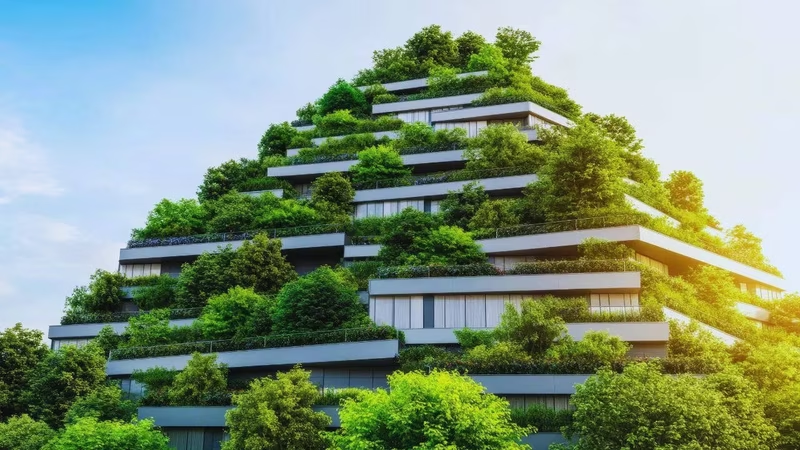
Let’s face it: city life is loud, fast, and exhausting. You come home craving peace, but your apartment feels more like a sleek shoebox than a sanctuary. What if the solution wasn’t to move—but to rewild your space?
Enter Biophilic design—not just another interior trend, but a neuroscience-backed strategy for human well-being. Rooted in the idea that humans have an innate connection to nature (the term “biophilia” literally means “love of life”), this approach is transforming cramped urban apartments into calming, restorative havens . And it’s not about turning your living room into a jungle (though you could). It’s about weaving nature into your daily environment in smart, subtle, and stunning ways.
Table of Contents
- What Is Biophilic Design, Really?
- Why Urban Dwellers Need It Most
- 6 Practical Biophilic Design Ideas for Small Apartments
- The Science Behind the Serenity
- Common Mistakes to Avoid
- Is Biophilic Design Worth the Investment?
- Conclusion: Bring the Outside In
- Sources
What Is Biophilic Design, Really?
Biophilic design goes far beyond plopping a few houseplants in the corner. It’s a holistic framework that integrates nature into the built environment through three core experiences:
- Direct Nature: Real elements like plants, water features, natural light, and fresh air.
- Indirect Nature: Natural materials (wood, stone, bamboo), nature-inspired colors, and organic shapes.
- Space and Place: Design that mimics natural landscapes—think open sightlines, sheltered nooks, and dynamic lighting that changes throughout the day .
When done right, Biophilic design doesn’t just look beautiful—it actively reduces stress, improves cognitive function, and even speeds up recovery from illness .
Why Urban Dwellers Need It Most
City residents are starved for nature. The average urban Indian spends over 90% of their time indoors, often in spaces dominated by concrete, steel, and artificial light . This “nature deficit” is linked to higher rates of anxiety, depression, and burnout.
For apartment buyers and renovators, biophilic elements aren’t just aesthetic—they’re a form of self-care. As one Mumbai-based architect notes, “Clients don’t just want a view anymore. They want to feel connected to something alive, even if they’re on the 20th floor.”
6 Practical Biophilic Design Ideas for Small Apartments
You don’t need a sprawling balcony or a six-figure budget. Here’s how to bring biophilia into even the tiniest flat:
- Vertical Gardens: Install a living wall with low-maintenance plants like pothos or ferns. They purify air and add lush texture without taking floor space.
- Natural Materials: Swap plastic blinds for bamboo shades. Choose a jute rug over synthetic fibers. Use wooden furniture with visible grain.
- Maximize Daylight: Keep windows unobstructed. Use sheer curtains. Place mirrors opposite windows to bounce light deeper into the room.
- Nature-Inspired Colors: Paint walls in earthy tones—sage green, warm terracotta, soft clay—to evoke forests, deserts, and soil.
- Organic Shapes: Ditch sharp corners. Opt for round coffee tables, curved sofas, or pebble-shaped decor.
- Water Sounds: A small tabletop fountain adds soothing white noise that masks traffic and triggers relaxation responses .
The Science Behind the Serenity
This isn’t just feel-good fluff. Research from institutions like the Human Spaces Project shows that employees in biophilic workspaces report a 15% higher level of well-being and a 6% boost in productivity. In homes, studies link exposure to natural elements with lower cortisol levels (the stress hormone) and improved sleep quality .
Even simulated nature helps. A 2024 study found that simply looking at wood grain patterns can lower heart rate within minutes—a phenomenon known as “visual stress reduction” .
Common Mistakes to Avoid
Biophilic design isn’t about clutter or impracticality. Steer clear of these pitfalls:
- Overwatering plants in poorly ventilated spaces (leads to mold).
- Using fake plants that look obviously artificial (they trigger no psychological benefit).
- Blocking natural light with heavy drapes or oversized furniture.
- Ignoring maintenance—choose plants and materials that fit your lifestyle.
Is Biophilic Design Worth the Investment?
Absolutely. Beyond personal well-being, biophilic features are becoming major selling points. Real estate experts note that apartments with thoughtful natural elements—like indoor greenery or abundant daylight—command higher resale values and rent faster .
Think of it as future-proofing your home. As sustainability and wellness become non-negotiable for buyers, Biophilic design shifts from luxury to necessity.
Conclusion: Bring the Outside In
Your apartment shouldn’t be a refuge from nature—it should be an extension of it. Whether you’re buying a new home or renovating your current one, weaving biophilic principles into your space is one of the smartest, most soul-nourishing decisions you can make. You don’t need to escape the city to find peace. Sometimes, all it takes is a single plant, a shaft of sunlight, and the courage to let nature back in.
Sources
- Times of India: Buying a home or renovating? Why Biophilic design works best for urban apartments
- Terrapin Bright Green: 14 Patterns of Biophilic Design
- Human Spaces Global Report: The Impact of Biophilic Design in the Workplace
- World Health Organization (WHO): Urban Green Space and Health Guidelines (2023)
- Journal of Environmental Psychology: “Visual Exposure to Natural Materials Reduces Physiological Stress” (2024)