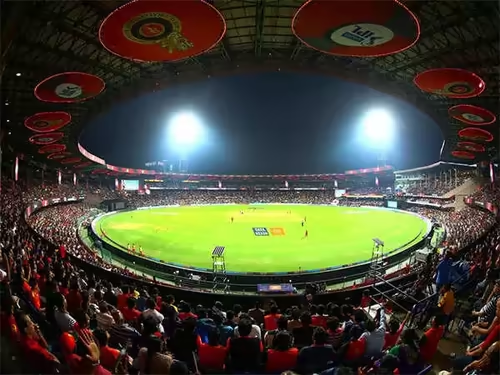
Great news for cricket fans across India—and especially in Bengaluru! The iconic M. Chinnaswamy Stadium, home to some of the most electric moments in Indian cricket history, is officially back in action. After a prolonged period of limbo triggered by last year’s tragic fan stampede during IPL celebrations, the Karnataka Home Department has granted formal permission to the Karnataka State Cricket Association (KSCA) to host both domestic and international matches once again.
This long-awaited green light marks a major turning point—not just for the city’s sporting calendar, but for the emotional recovery of a community that’s been waiting to roar from the stands once more. But what led to this suspension? What safety measures have been put in place? And when can fans expect to see their heroes back under the Bengaluru lights?
Table of Contents
- Why Chinnaswamy Stadium Was Suspended
- Karnataka Govt Gives the Nod: What Changed?
- New Safety Protocols at Chinnaswamy Stadium
- What This Means for IPL 2026 and Beyond
- Fan Reactions and the Road to Normalcy
- Conclusion: A Homecoming for Indian Cricket
- Sources
Why Chinnaswamy Stadium Was Suspended
The suspension of the Chinnaswamy Stadium wasn’t just bureaucratic—it was born out of tragedy. During the 2025 IPL playoffs, an impromptu street celebration outside the venue turned deadly when thousands of jubilant fans surged through narrow lanes near MG Road. The resulting stampede claimed several lives and left dozens injured .
In the aftermath, authorities launched a high-level inquiry into crowd management failures. The Karnataka government temporarily barred the KSCA from hosting any large-scale events until comprehensive safety audits were completed. For months, the stadium—once buzzing with chants of “RCB! RCB!”—stood eerily silent, its floodlights dark, its stands empty.
Karnataka Govt Gives the Nod: What Changed?
The recent clearance from the Karnataka Home Department didn’t come lightly. It followed weeks of intense coordination between the KSCA, Bengaluru City Police, fire safety officials, and urban planning experts. According to official statements, the KSCA submitted a detailed crowd management and emergency response plan that satisfied all regulatory concerns .
Key assurances included:
- Strict enforcement of ticketed entry only—no open-air public gatherings permitted post-match.
- Dedicated police command centers inside and outside the stadium on match days.
- Real-time crowd monitoring via AI-powered CCTV systems linked to the city’s traffic control room.
- Mandatory coordination with metro and BMTC (Bengaluru Metropolitan Transport Corporation) for staggered fan dispersal.
“The safety of citizens is non-negotiable,” said a senior Home Department official. “But we also recognize the cultural and economic importance of cricket to Bengaluru.”
New Safety Protocols at Chinnaswamy Stadium
To prevent a repeat of last year’s disaster, the KSCA has implemented sweeping changes. These aren’t just cosmetic—they’re structural and operational:
- Phased Entry/Exit Gates: Fans will now be assigned specific gates and time slots based on their seating zone to avoid bottlenecks.
- No Post-Match Street Celebrations: Public announcements and digital signage will explicitly prohibit congregating outside the venue after matches.
- Enhanced Medical Presence: Two fully equipped medical units with trauma specialists will be stationed at opposite ends of the stadium.
- Digital Crowd Flow Mapping: Using mobile network data and facial recognition (with privacy safeguards), authorities can predict and redirect dense foot traffic in real time.
These measures align with international best practices recommended by organizations like the International Cricket Council (ICC), which emphasizes proactive risk mitigation in high-capacity venues.
What This Means for IPL 2026 and Beyond
With the Chinnaswamy Stadium officially cleared, Royal Challengers Bengaluru (RCB) can now confidently plan their full home schedule for IPL 2026. Industry insiders suggest the venue could host up to seven league matches plus a potential playoff—bringing back an estimated ₹300 crore in local tourism and hospitality revenue .
Beyond the IPL, the Board of Control for Cricket in India (BCCI) is expected to reinstate Bengaluru on the roster for upcoming international fixtures, including T20Is and ODIs against top-tier nations like Australia and England. The stadium’s compact design and passionate crowds make it a favorite among players—a fact acknowledged even by visiting captains in past series.
For fans eager to track the updated schedule, our [INTERNAL_LINK:ipl-2026-fixtures] page will be updated as soon as the official calendar drops.
Fan Reactions and the Road to Normalcy
On social media, the announcement has been met with overwhelming joy. “Finally! Can’t wait to wear my red jersey and scream my lungs out at Chinnaswamy again!” tweeted one longtime RCB supporter. Others expressed cautious optimism, urging authorities to “keep safety first, always.”
This moment isn’t just about cricket—it’s about healing. The stadium symbolizes Bengaluru’s identity as India’s tech-savvy, youth-driven cricket capital. Its return signals that the city is ready to celebrate responsibly, honoring the past while moving forward with greater care.
Conclusion: A Homecoming for Indian Cricket
The reopening of the Chinnaswamy Stadium is more than a logistical win—it’s an emotional milestone. After a painful chapter marked by loss and uncertainty, Bengaluru’s cricketing heart is beating again. With robust new safety protocols and government oversight, the venue is poised to reclaim its status as one of the world’s most vibrant cricket arenas. For millions of fans, the message is clear: the party’s back on—but this time, it’s safe, smart, and spectacularly supervised.
Sources
- Times of India: Chinnaswamy Stadium set to host IPL and international cricket again after Karnataka government clearance
- Karnataka State Cricket Association (KSCA): Official Website
- International Cricket Council (ICC): Safety and Security Guidelines