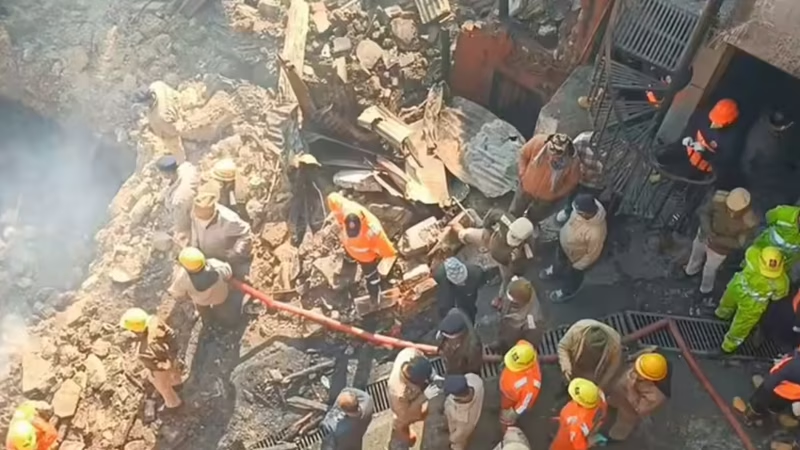
In the quiet hills of Himachal Pradesh, a peaceful morning turned into a nightmare as flames engulfed the century-old Arki market in Solan district. What began as a small fire rapidly escalated into an inferno of catastrophic proportions when not one, but six LPG cylinders stored inside a wooden commercial building detonated like bombs. The resulting blast and firestorm claimed 10 lives—among them nine Nepalese migrant workers and an eight-year-old boy from Bihar—leaving behind a scene so charred that rescue teams could not recover a single complete body . This horrific Arki market fire is now being called one of the deadliest urban fires in Himachal Pradesh’s recent history, raising urgent questions about fire safety in heritage marketplaces across India.
Table of Contents
- The Tragedy Unfolds in Arki Market
- Arki Market Fire: Victims and the Human Cost
- Why Did the Fire Spread So Rapidly?
- Systemic Failures in Fire Safety Protocols
- Government Response and Relief Efforts
- Conclusion: A Wake-Up Call for Indian Marketplaces
- Sources
The Tragedy Unfolds in Arki Market
The fire broke out in the early hours of the morning in a densely packed, multi-story wooden structure in the heart of Arki—a historic town known for its colonial-era architecture and bustling local commerce. Initial reports suggest the blaze started on the ground floor, possibly from an electrical short circuit or a cooking stove. However, the presence of multiple LPG cylinders in a confined, flammable space turned a manageable incident into an uncontrollable disaster .
Witnesses described terrifying explosions that shattered windows and sent debris flying hundreds of meters. “It sounded like a series of grenades going off,” said a local shopkeeper who fled the scene barefoot. The wooden construction of the building, common in many Himalayan towns, acted as kindling, allowing the fire to spread vertically and horizontally with terrifying speed. By the time fire tenders arrived from nearby towns—some taking over 45 minutes to reach the remote location—the building was already fully engulfed.
Arki Market Fire: Victims and the Human Cost
The human toll of the Arki market fire is heartbreaking. Of the 10 confirmed fatalities, nine were Nepalese nationals who worked in local shops and eateries, highlighting the vulnerability of migrant laborers often housed in unsafe, informal accommodations. The tenth victim was an eight-year-old boy from Bihar, whose family had recently moved to the area for work .
The intensity of the fire was so extreme that forensic teams have been unable to identify the victims through conventional means. Authorities are now relying on DNA samples from relatives for identification—a grim testament to the fire’s destructive power. The loss has sent shockwaves through the tight-knit community of Arki, where many families depend on the market for their livelihoods.
Why Did the Fire Spread So Rapidly?
Several factors converged to create the perfect storm for this disaster:
- Wooden Construction: Many buildings in Arki’s old market are made of timber, which is highly flammable and offers no fire resistance.
- LPG Cylinder Storage: Storing multiple domestic gas cylinders inside commercial spaces is a common but extremely dangerous practice, especially without proper ventilation or safety valves.
- Narrow Access Roads: The market’s narrow, winding lanes prevented fire engines from reaching the site quickly, delaying the critical first response.
- Lack of Fire Hydrants: Reports indicate a severe shortage of functional fire hydrants in the area, forcing firefighters to rely on water tankers.
Systemic Failures in Fire Safety Protocols
This tragedy is not an isolated accident; it’s a symptom of a much larger systemic failure. Despite repeated warnings from fire safety experts, many heritage markets across India operate without basic fire prevention measures. The National Building Code of India mandates clear guidelines on fire exits, extinguishers, and hazardous material storage, but enforcement in small towns like Arki is often non-existent .
Local authorities have admitted that regular fire safety audits were not conducted in the market. Shop owners, many of whom live above their stores, were never educated on emergency protocols or the dangers of storing flammable materials indoors. This lack of preparedness turned a simple fire into a mass casualty event. For more on national fire safety standards, the Bureau of Indian Standards provides detailed guidelines on [INTERNAL_LINK:fire-safety-compliance-for-small-businesses].
Government Response and Relief Efforts
In the aftermath, the Himachal Pradesh government has announced a high-level inquiry into the incident. Chief Minister Sukhvinder Singh Sukhu visited the site and announced compensation of ₹5 lakh to the families of each deceased person and ₹1 lakh for the injured .
Meanwhile, the National Disaster Response Force (NDRF) and State Disaster Response Force (SDRF) teams have been deployed to assist with search, recovery, and relief operations. Temporary shelters have been set up for displaced families, and counseling services are being offered to traumatized survivors and witnesses. The state has also ordered an immediate inspection of all commercial buildings in heritage zones across the state to prevent a similar catastrophe.
Conclusion: A Wake-Up Call for Indian Marketplaces
The Arki market fire is a devastating reminder that tradition and commerce must never come at the cost of human life. The combination of outdated infrastructure, lax regulations, and public apathy created a lethal environment that claimed innocent lives. As India continues to develop, it must prioritize retrofitting its historic urban centers with modern fire safety systems. This tragedy should serve as a national wake-up call—because without urgent action, the next Arki could be just around the corner.