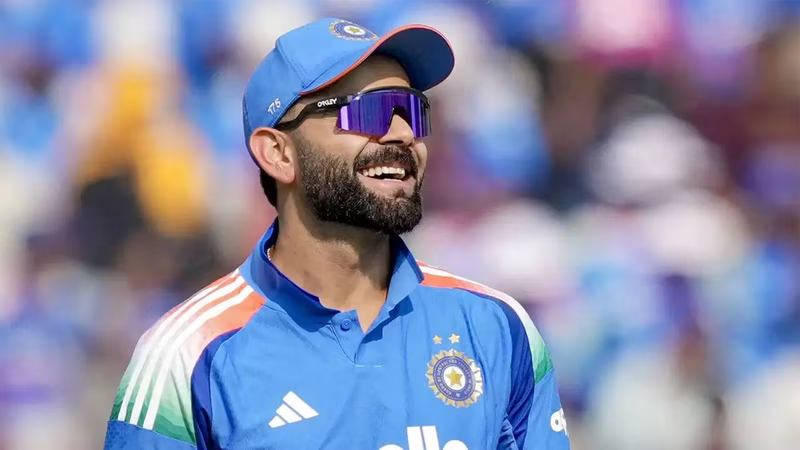
In an era where athletes often showcase their success with gleaming trophy rooms, luxury cars, or social media flexes, Virat Kohli chose a different path—one that leads straight home. Following his historic achievement as the fastest batter to 28,000 international runs during the India vs New Zealand ODI in Vadodara on January 11, 2026, Kohli dropped a revelation that melted hearts across the nation: “I send all my awards to my mum. She likes keeping all the trophies.”
It’s a simple sentence. But beneath its modesty lies a profound truth about legacy, gratitude, and the quiet strength of family. While fans celebrate his centuries and records, Kohli’s most prized possessions aren’t locked in glass cases—they’re cherished in the hands of the woman who raised him.
Table of Contents
- The Record That Made History: Kohli Hits 28,000 Runs
- Why Virat Kohli Trophies Go to His Mum: A Tribute to Sacrifice and Love
- More Than a Gesture: The Cultural Significance of Honoring Mothers in India
- Kohli’s Mindset: Aggression on Field, Humility Off It
- How Fans and Fellow Cricketers Reacted
- What This Tells Us About Modern Idol Worship in Cricket
- Conclusion: A Legacy Built on Runs—and Rooted in Respect
- Sources
The Record That Made History: Kohli Hits 28,000 Runs
Kohli reached the monumental milestone of 28,000 international runs (across Tests, ODIs, and T20Is) in just 624 innings—surpassing legends like Sachin Tendulkar and Kumar Sangakkara to become the fastest ever . At 37, he remains the only active player in this elite club, having amassed 50 international centuries and redefined batting consistency across formats.
Yet, in his post-match interview, he didn’t dwell on stats. Instead, he called his journey a “dream come true” and emphasized his joy in “bringing happiness to fans through cricket.” It’s this blend of excellence and empathy that makes him more than just a cricketer—he’s a cultural icon.
Why Virat Kohli Trophies Go to His Mum: A Tribute to Sacrifice and Love
Kohli lost his father, Prem Kohli, in 2006—a pivotal moment that forced him to grow up fast. His mother, Saroj Kohli, became the bedrock of the family, supporting his cricket dreams even when finances were tight. Reports suggest she still lives in their Delhi home, where at least 82 trophies—including ICC awards, Orange Caps, and match-winning mementos—are carefully preserved .
This act isn’t about storage logistics. It’s symbolic. By sending his Virat Kohli trophies to her, he’s acknowledging that every run, every century, every roar of the crowd is also hers. It’s a son’s way of saying: *Your belief made this possible.*
More Than a Gesture: The Cultural Significance of Honoring Mothers in India
In Indian culture, the mother is often revered as the first guru—the source of values, resilience, and unconditional love. From mythological figures like Kunti to modern icons like Mary Kom’s mother, maternal influence is deeply woven into narratives of success.
Kohli’s choice resonates because it reflects a universal truth: behind many great men and women stands a mother who sacrificed silently. In a time when celebrity culture often glorifies individualism, his gesture is a gentle reminder that achievement is rarely a solo act.
Kohli’s Mindset: Aggression on Field, Humility Off It
Kohli also spoke about his aggressive batting philosophy—“I always look to take the game forward”—which has defined his captaincy and batting for over a decade . Yet off the field, his demeanor is grounded. He avoids lavish displays, rarely posts personal content online, and consistently credits his team, coaches, and family.
This duality—fiery competitor by day, humble son by night—is part of his enduring appeal. As ESPNcricinfo notes, “Kohli’s greatness isn’t just in his numbers; it’s in how he carries his success” .
How Fans and Fellow Cricketers Reacted
Social media exploded after his interview. Fans shared childhood photos of their own mothers, using hashtags like #MaaKeHaathMeTrophy. Former cricketer Virender Sehwag tweeted: “Real champions know where their strength comes from.” Even rivals like Kane Williamson called it “a beautiful reflection of character.”
[INTERNAL_LINK:cricket-legends-and-their-families] explores how other icons like Tendulkar and Dhoni honor their roots.
What This Tells Us About Modern Idol Worship in Cricket
Today’s fans don’t just admire skill—they seek authenticity. Kohli’s admission humanizes him. In a sport increasingly driven by brand deals and highlight reels, his connection to family offers something rare: relatability. It reminds us that even global superstars have someone they call “Maa”—and that’s where their real pride lies.
Conclusion: A Legacy Built on Runs—and Rooted in Respect
Virat Kohli’s 28,000 runs will be recorded in almanacs. But his decision to send his Virat Kohli trophies to his mother? That will be remembered in hearts. It’s a quiet rebellion against ego, a tribute to silent sacrifice, and a lesson in humility for generations of aspiring athletes. In the end, the greatest trophy isn’t the one on the shelf—it’s the smile on your mother’s face when she sees how far you’ve come.
Sources
- Times of India: ‘My mum keeps all my trophies’: Virat Kohli
- ESPNcricinfo: Virat Kohli Career Profile and Records