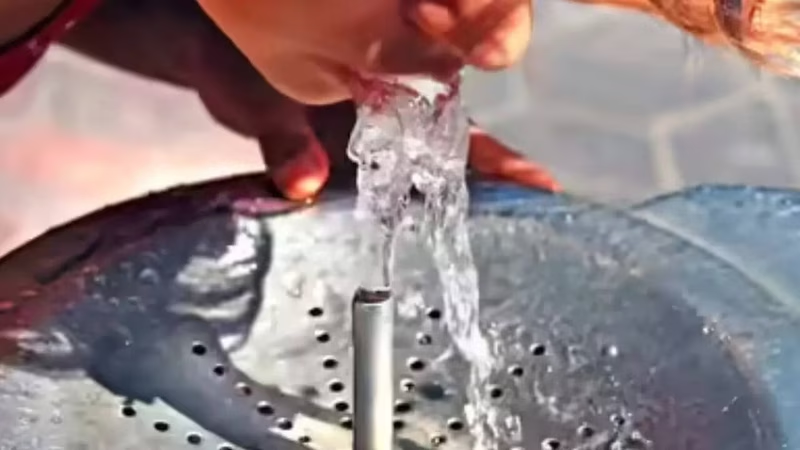
A quiet residential sector in Greater Noida has been thrust into a public health emergency after residents discovered their taps were dispensing more than just water—they were pouring out a dangerous cocktail laced with raw sewage. In Sector Delta 1, dozens of families, including vulnerable children, have fallen severely ill with symptoms of vomiting, diarrhea, and high fever, all pointing to one terrifying cause: drinking water contamination.
Table of Contents
- The Outbreak: How It Began
- Symptoms and Impact on Families
- Official Response: Pipeline Repairs and Medicine
- Residents Fear an Indore-Like Tragedy
- Why This Keeps Happening: Systemic Failures
- What You Can Do If Your Water Is Contaminated
- Conclusion: A Call for Accountability
- Sources
The Outbreak: How It Began
The crisis began when a major water pipeline in Greater Noida’s Sector Delta 1 developed a leak. Instead of clean groundwater or treated municipal supply flowing through it, the damaged pipe began sucking in untreated sewage from a nearby drain due to negative pressure—a phenomenon known as back-siphonage .
Residents reported foul-smelling, discolored water coming from their taps as early as Tuesday. By Wednesday, clinics in the area were flooded with patients complaining of acute gastrointestinal distress. Local doctors confirmed the symptoms were consistent with exposure to fecal coliform bacteria and other pathogens commonly found in sewage-contaminated water .
Symptoms and Impact on Families
The human toll has been swift and severe. Families report children—some as young as three—suffering from relentless vomiting and dehydration. Adults, too, have been hospitalized with high fevers and severe diarrhea.
“My daughter hasn’t stopped crying since last night,” said one distraught mother from Delta 1. “We didn’t even know the water was poisoned until it was too late.”
Common illnesses linked to this type of drinking water contamination include:
- Acute gastroenteritis – causing vomiting, diarrhea, and abdominal cramps
- Typhoid fever – a bacterial infection that can be life-threatening without treatment
- Hepatitis A – a viral liver infection spread through contaminated food or water
- Cholera – though rare in urban India, it remains a risk in severe contamination events
Official Response: Pipeline Repairs and Medicine
The Greater Noida Industrial Development Authority (GNIDA) acted quickly—but only after the illness outbreak made headlines. Officials confirmed the sewage ingress and shut off the affected pipeline. Repairs were completed within 24 hours, and chlorine tablets were distributed to households as a temporary disinfectant measure .
Medical teams were deployed to the sector, and free medicines—including oral rehydration salts (ORS), antibiotics, and antipyretics—were handed out at local community centers. However, residents say this reactive approach is too little, too late. “They wait for people to get sick before they fix the pipes,” said a local resident. “This isn’t service—it’s negligence.”
Residents Fear an Indore-Like Tragedy
For many in Greater Noida, this incident is a haunting echo of the 1994 Indore water tragedy, where over 50 people died after sewage entered the city’s main water reservoir . Though no fatalities have been reported yet in Delta 1, the fear is palpable.
“We don’t want another Indore,” said a neighborhood association leader. “We’ve warned the authorities before about aging pipelines and poor maintenance. Now our worst fears are coming true.”
Why This Keeps Happening: Systemic Failures
This isn’t the first time Greater Noida has faced a water contamination scare. Similar incidents have been reported in sectors like Omega II and Alpha in recent years. Experts point to chronic underinvestment in infrastructure, poor urban planning, and a lack of real-time water quality monitoring as root causes.
According to a 2023 report by the Central Pollution Control Board (CPCB), nearly 40% of urban water supply systems in India are at risk of cross-connection with sewage lines due to outdated or damaged pipelines . Without mandatory backflow prevention devices and routine pressure testing, such failures are not accidents—they are inevitabilities.
What You Can Do If Your Water Is Contaminated
While systemic change is needed, residents can take immediate steps to protect themselves during a suspected contamination event:
- Stop using tap water** for drinking, cooking, or brushing teeth.
- Boil water vigorously for at least one minute** before consumption.
- Use **certified water purifiers** with RO+UV+UF filtration for added safety.
- Report foul odor, color, or taste to local municipal authorities immediately.
- Seek medical help at the first sign of gastrointestinal illness, especially in children and the elderly.
For more on household water safety, the World Health Organization (WHO) provides comprehensive guidelines on managing water quality in emergencies.
Conclusion: A Call for Accountability
The drinking water contamination in Greater Noida’s Delta 1 sector is more than a technical glitch—it’s a failure of public trust. When basic infrastructure meant to sustain life instead threatens it, the response must go beyond temporary fixes. Residents deserve transparent water testing, upgraded pipelines, and accountable governance. Until then, every glass of tap water will come with a side of fear.
Sources
- The Times of India: Sewage in drinking water in Greater Noida
- Hindustan Times: Greater Noida residents fall ill after sewage mixes with drinking water
- World Health Organization (WHO): Drinking-water Fact Sheet
- India Today: Remembering the 1994 Indore water poisoning tragedy
- Central Pollution Control Board (CPCB): Urban Water Supply and Sewage Management