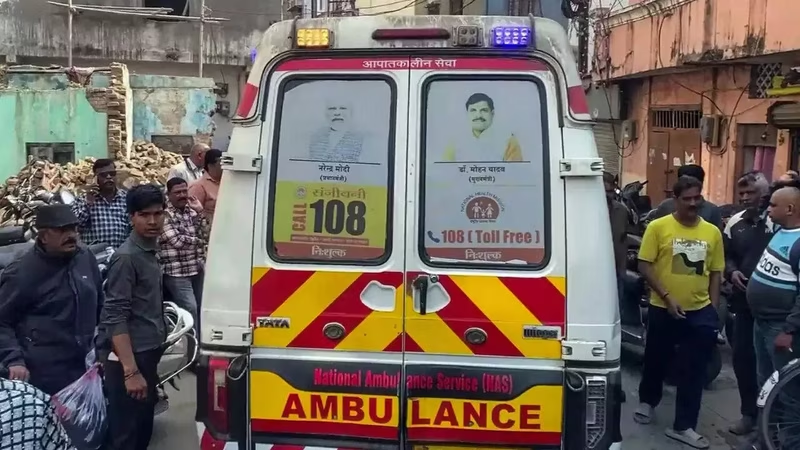
A horrifying lapse in civic infrastructure has turned a basic necessity—clean drinking water—into a potential death sentence for residents of Indore’s Bhagirathpura area. In a crisis that has sent shockwaves across Madhya Pradesh, the Indore water contamination incident has claimed 7 lives and left 162 people fighting for their health in hospitals .
The cause, as revealed by a swift but damning official probe, is almost too absurd to believe: raw sewage from a newly constructed toilet was being dumped directly above a loose joint in the city’s main water supply pipeline. This wasn’t just a minor leak; it was a direct, unfiltered conduit for fecal matter and deadly pathogens into the very water flowing from residents’ taps. Now, authorities are scrambling to contain the fallout, flushing the entire system and urging citizens to avoid tap water at all costs until further notice.
Table of Contents
- The Tragic Toll of the Indore Water Contamination
- How It Happened: The Shocking Probe Findings
- Official Response: Flushing Systems and Emergency Aid
- Health Risks of Contaminated Water: What to Watch For
- A Systemic Failure: Questions for Civic Leaders
- What Residents Can Do to Stay Safe
- Conclusion: A Call for Accountability and Reform
- Sources
The Tragic Toll of the Indore Water Contamination
The human cost of this infrastructure failure is staggering. As of the latest reports, seven individuals have lost their lives, a number that local health officials fear could rise . The victims are believed to have succumbed to severe waterborne illnesses, most likely acute gastroenteritis or other infections caused by ingesting water contaminated with fecal coliform bacteria and other dangerous pathogens.
Hospitals in and around Indore have been overwhelmed, with 162 patients admitted for treatment. Many are suffering from symptoms of severe dehydration, high fever, vomiting, and diarrhea—the classic signs of a major contamination event. The affected families are in a state of panic and grief, their trust in the city’s most fundamental public utility shattered overnight.
How It Happened: The Shocking Probe Findings
The official investigation into the Indore water contamination has laid bare a series of catastrophic failures that should have been caught long before they became a public health emergency.
The probe revealed a chillingly simple yet deadly flaw. A newly constructed toilet in the Bhagirathpura locality had its waste disposal line positioned directly over a known, loose joint in the main drinking water pipeline . Over time, or possibly even from the start, raw, untreated sewage began seeping through this faulty joint and into the potable water supply. This was not a complex, unforeseeable engineering problem; it was a basic, egregious error in planning, construction, and inspection that bypassed all standard safety protocols.
Official Response: Flushing Systems and Emergency Aid
Facing a massive crisis, the Indore Municipal Corporation (IMC) and state health authorities have launched an emergency operation.
- Water Supply Shutdown & Flushing: The contaminated section of the pipeline has been isolated, and the entire system is being rigorously flushed with chlorine to kill any remaining bacteria and viruses .
- Public Advisory: Residents in the affected areas have been issued a strict advisory to completely avoid using tap water for drinking or cooking. They have been told this ban will remain in place at least until Friday to allow for thorough decontamination and testing .
- Alternative Water Supply: The IMC has deployed water tankers to provide safe, clean drinking water to the affected localities, ensuring that residents have access to a basic necessity during this emergency.
- Medical Camps: Special medical camps have been set up to treat those with milder symptoms and to monitor the situation for any new cases.
Health Risks of Contaminated Water: What to Watch For
Consuming water contaminated with sewage can lead to a host of serious, and sometimes life-threatening, illnesses. According to the World Health Organization (WHO), the primary risks include :
- Cholera: A severe diarrheal disease that can cause rapid dehydration and death.
- Typhoid Fever: A systemic infection causing high fever, fatigue, and abdominal pain.
- Hepatitis A & E: Viral infections that attack the liver.
- Acute Gastroenteritis: Severe inflammation of the stomach and intestines, leading to vomiting and diarrhea.
Residents are urged to seek immediate medical attention if they experience any of these symptoms, especially if they have consumed tap water in the past few days.
A Systemic Failure: Questions for Civic Leaders
This incident is more than just a tragic accident; it’s a symptom of a deeper, systemic failure in urban governance. How was a toilet built so dangerously close to a main water line without proper inspection? How long was this “loose joint” known to authorities, and why wasn’t it fixed? Who approved the construction plans?
These are the critical questions that residents and opposition leaders are now demanding answers to. The Indore water contamination crisis has exposed a dangerous complacency in the city’s civic management, raising serious concerns about the safety of infrastructure projects across the region. An independent, high-level inquiry is not just warranted—it’s essential to prevent a recurrence.
What Residents Can Do to Stay Safe
While authorities work to fix the problem, residents must take personal responsibility for their safety:
- Follow the Advisory: Do not use tap water for any purpose until the official all-clear is given.
- Use Safe Sources: Rely only on water from the official tankers or on properly sealed, branded bottled water.
- Boil if in Doubt: If you must use stored water, boil it for at least one minute before consumption, though the safest option is to use the provided emergency supply.
- Practice Hygiene: Maintain strict hand hygiene with soap and safe water to prevent the spread of any potential infection.
Conclusion: A Call for Accountability and Reform
The Indore water contamination tragedy is a grim reminder that public health is only as strong as its weakest infrastructure link. The loss of life is a direct result of negligence that should never have been allowed to happen. While emergency measures are crucial, the real challenge lies in the aftermath: holding those responsible accountable and implementing sweeping reforms to ensure that every citizen’s right to clean, safe water is never again compromised. The trust of Indore’s residents has been broken; it will take more than just a flushed pipeline to rebuild it. For more on ensuring your home’s water safety, read our guide on [INTERNAL_LINK:home-water-purification-systems].
Sources
- Times of India: Indore water contamination deaths: Probe exposes major lapses
- Government of Madhya Pradesh, Public Health Department: Official Press Releases (January 2026).
- World Health Organization (WHO): Water, Sanitation, Hygiene, and Health