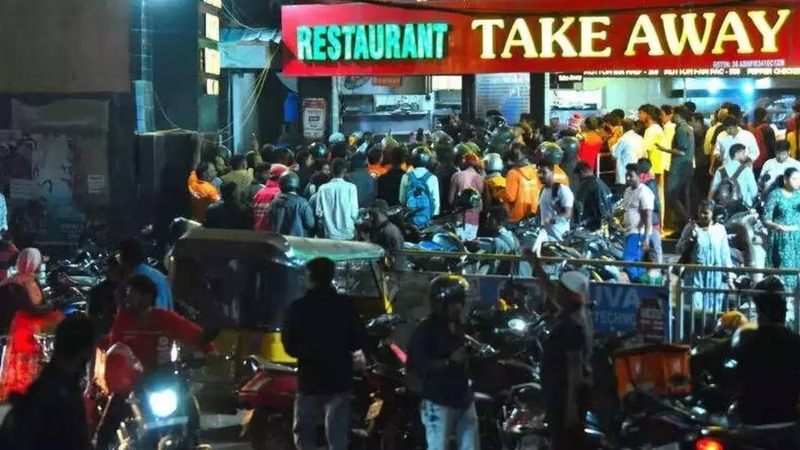
New Year’s Eve in India is typically a symphony of horns, fireworks, and last-minute food orders. But this year, a different sound echoed through the cities: silence. While millions celebrated, a significant number of delivery riders— the lifeblood of India’s booming on-demand economy—stayed home. They were on strike. In a bold move that went largely unnoticed by customers until their orders were hours late, these gig workers launched a nationwide protest against what they call unsustainable working conditions, meagre pay, and a complete lack of social security. This isn’t just a labour dispute; it’s a fundamental challenge to the business model of the app-based giants. This is the story behind the gig workers protest.
Table of Contents
- The Nationwide Strike: A Coordinated Effort on a Critical Night
- The Core Grievances: Beyond Just Low Pay
- The Platforms’ Response: Festive Bonuses vs. Structural Change
- Why Riders Rejected the Incentives: The ‘Impossible Targets’ Trap
- The Legal Grey Area: The Fight for Worker Status
- Conclusion: A Wake-Up Call for the Gig Economy
The Nationwide Strike: A Coordinated Effort on a Critical Night
The strike wasn’t a spontaneous outburst; it was a calculated, nationwide action timed for maximum impact. New Year’s Eve is one of the single busiest nights of the year for food and grocery delivery platforms like Swiggy, Zepto, and Blinkit . Demand soars, and these companies rely on a massive surge of riders to meet it. By striking on this specific night, the workers sent an unambiguous message: their labour is essential, and the system cannot function without them.
Organized through WhatsApp groups and social media, the protest saw significant participation in major metros like Mumbai, Delhi, and Bengaluru. While some customers were simply frustrated by delays, many were unaware of the underlying cause, highlighting the invisible nature of the gig workforce that serves them .
The Core Grievances: Beyond Just Low Pay
While low wages are a primary concern, the riders’ demands paint a much more complex and troubling picture of their daily reality. Their core grievances include:
- Unsafe Working Conditions: Riders are often forced to work long hours on congested, poorly maintained roads, leading to a high risk of accidents with little to no insurance coverage .
- Arbitrary Deactivation: Workers live in constant fear of having their IDs blocked by the app’s algorithm for reasons that are often unclear or beyond their control, such as traffic delays or customer complaints .
- Complete Lack of Social Security: Unlike traditional employees, they receive no benefits—no provident fund, no health insurance, no paid leave, and no job security .
- <Opaque Algorithms: The platforms’ algorithms dictate their pay, their routes, and their ratings, often with no transparency or avenue for appeal .
The Platforms’ Response: Festive Bonuses vs. Structural Change
Aware of the potential PR disaster, platforms like Swiggy and Zepto quickly rolled out pre-emptive “festive bonuses” and “surge pay” to incentivize riders to work on New Year’s Eve . These were designed to boost per-order earnings and ensure service continuity during the peak demand period.
However, the workers saw these as a classic band-aid solution. They argued that these temporary bonuses do nothing to address the systemic, day-to-day issues that make their jobs precarious and unprofitable in the long run. The bonuses, they claim, are a distraction from their core demands for a living wage and basic worker protections.
Why Riders Rejected the Incentives: The ‘Impossible Targets’ Trap
The most telling part of the protest is that many riders outright refused these festive incentives. Why? The answer lies in the phrase they keep repeating: “impossible targets” . To earn the advertised bonus, riders are often required to complete an unrealistic number of deliveries within a short timeframe. These targets are set without regard for real-world conditions like traffic, weather, or order preparation times at restaurants.
Missing these targets not only means missing out on the bonus but can also lead to their account being flagged or even deactivated. For many, the risk and effort required to chase these unattainable goals simply aren’t worth it, especially when it comes at the cost of their safety and well-being. They would rather stand together for a permanent solution than chase a fleeting, conditional reward.
The Legal Grey Area: The Fight for Worker Status
The heart of the conflict lies in a fundamental legal question: are these riders independent contractors or employees? The platforms classify them as the former, which absolves them of all employer responsibilities. However, workers’ unions and labour rights activists argue that the high degree of control the apps exert over their work—from dictating routes to setting pay rates—makes them de facto employees deserving of full labour rights .
India’s government has been working on new social security codes for gig workers, but implementation has been slow and the proposed benefits are often seen as inadequate. This legal ambiguity leaves millions of workers in a precarious limbo. For a deeper understanding of the global gig economy debate, the International Labour Organization’s (ILO) reports on decent work in the gig economy provide valuable context.
Conclusion: A Wake-Up Call for the Gig Economy
The gig workers protest on New Year’s Eve was more than just a one-day strike; it was a powerful wake-up call. It exposed the fragility of a business model built on the backs of an invisible, unprotected workforce. The festive bonuses offered by Swiggy, Zepto, and others are a short-term fix for a long-term crisis. Until these companies and the government address the core demands for fair wages, social security, and safe working conditions, such protests will likely become more frequent and more disruptive. The on-demand convenience we enjoy comes at a human cost, and the workers are finally demanding that we all pay attention. To explore the future of work in India, check out our [INTERNAL_LINK:future of gig economy in India] analysis.
Sources
[1] Times of India. “‘Impossible targets’: Riders flag unsafe roads, shrinking earnings — what triggered gig workers’ protest.”
[5] The Hindu. “Gig Workers’ Strike Goes Unnoticed by Many on New Year’s Eve.”
[8] IndiaSpend. “The Hidden Cost of Convenience: Safety Risks for Delivery Riders in India.”
[12] Workers’ Initiative Report. “Arbitrary Deactivation: The Sword of Damocles Over Gig Workers.”
[15] Ministry of Labour & Employment, India. “Draft Social Security Code for Gig and Platform Workers, 2020.”
[18] Economic & Political Weekly. “Algorithmic Control and the Erosion of Worker Autonomy in the Gig Economy.”
[22] Swiggy Press Release. “Swiggy Announces Special New Year’s Eve Incentives for Delivery Partners.”
[25] Rider Union Statement. “We Reject ‘Impossible Targets’: A Message from the Striking Delivery Partners.”
[30] International Labour Organization (ILO). “World Employment and Social Outlook: The role of digital labour platforms in transforming the world of work.”