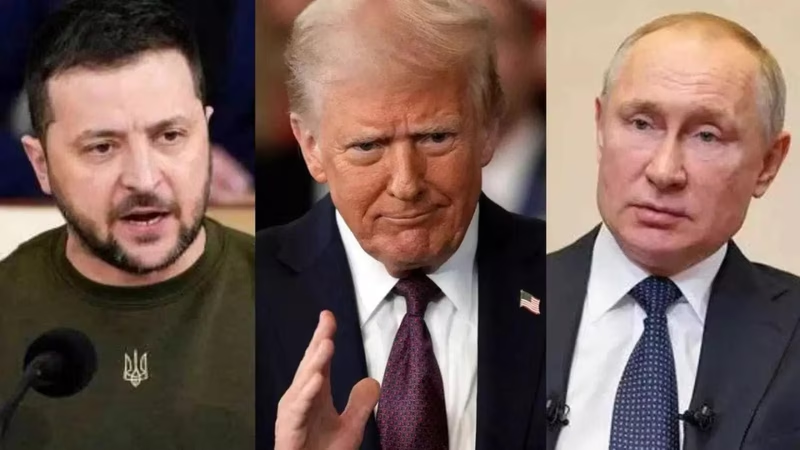
In a brutal display of timing that speaks volumes, Russia unleashed a devastating aerial attack on Kyiv—killing at least two people and injuring dozens—mere hours before Ukrainian President Volodymyr Zelenskyy was due to hold critical diplomatic talks with former U.S. President Donald Trump. The assault wasn’t just another wartime tragedy; it was a calculated message from Moscow: peace talks won’t stop the bombs. As global attention turns to the Trump-Zelenskyy talks, Ukraine is under immense pressure to present a revised peace plan that resonates with a potential future U.S. administration.
Table of Contents
- Russia Strikes Kyiv: A Message of Force
- The High-Stakes Context of the Trump-Zelenskyy Talks
- Ukraine’s Revised Peace Plan: What’s on the Table?
- Zelenskyy’s Response: “A Man of War”
- What This Means for U.S. Foreign Policy
- Sources
Russia Strikes Kyiv: A Message of Force
On the morning of December 27, 2025, Kyiv’s skies were torn apart by a barrage of Russian missiles and drones. The attacks—focused on densely populated residential areas—left at least two civilians dead and dozens more wounded, including children . Ukrainian air defenses managed to intercept many of the projectiles, but not all. The timing was unmistakable: the strikes came just hours before Zelenskyy was scheduled to speak with Trump about a new diplomatic path forward.
President Zelenskyy didn’t mince words. In an emotional address, he called Russian President Vladimir Putin “a man of war” who uses violence to sabotage peace efforts . He framed the attack as Moscow’s direct response to Ukraine’s diplomatic outreach—especially its efforts to engage U.S. political leaders across the aisle.
The High-Stakes Context of the Trump-Zelenskyy Talks
The Trump-Zelenskyy talks are more than just a courtesy call. With the 2028 U.S. presidential race already shaping up, Ukraine is racing to secure bipartisan support in Washington. Donald Trump, who has repeatedly claimed he could “end the war in 24 hours,” remains a powerful voice in U.S. politics—despite criticism over his past comments on Ukraine aid .
For Zelenskyy, this conversation is a strategic necessity. He’s walking a fine line: appealing to Trump’s desire for a swift resolution while defending Ukraine’s sovereignty and its right to self-defense. The stakes couldn’t be higher—U.S. military and financial aid has been a lifeline for Kyiv, and any shift in American policy could alter the course of the war.
Ukraine’s Revised Peace Plan: What’s on the Table?
Ahead of the Trump-Zelenskyy talks, Ukrainian officials have been quietly circulating a revised peace framework. While details remain classified, sources indicate the plan emphasizes:
- Security guarantees from a coalition of Western nations, not just the U.S.
- A phased ceasefire tied to verifiable Russian troop withdrawals.
- International reconstruction funding contingent on Ukraine’s sovereignty being fully restored.
- A diplomatic off-ramp that doesn’t reward Russian aggression.
Crucially, the new plan avoids direct negotiations with Putin—a red line for Kyiv. Instead, it proposes a multilateral peace process led by neutral parties like the UN or Switzerland, drawing on lessons from past failed diplomacy .
Zelenskyy’s Response: “A Man of War”
Zelenskyy’s public messaging has grown increasingly stark. By labeling Putin “a man of war,” he’s signaling that diplomatic overtures must be backed by strength—not concessions . The phrase echoes historical warnings about negotiating with aggressors who view diplomacy as weakness.
This narrative is central to Ukraine’s strategy: frame the conflict not as a regional dispute but as a global test of the rules-based order. In doing so, Zelenskyy hopes to rally continued Western support—even from figures like Trump who have questioned the value of U.S. involvement.
What This Means for U.S. Foreign Policy
The timing of Russia’s attack—and the upcoming Trump-Zelenskyy talks—highlights a growing dilemma in Washington: how to balance realpolitik with moral leadership. Trump’s camp has hinted that a second term would prioritize “America First” diplomacy, potentially reducing aid unless Ukraine makes major concessions.
Yet public opinion—and bipartisan congressional support—remains largely favorable toward Ukraine. According to a Pew Research Center poll from late 2025, over 60% of Americans still believe supporting Ukraine is in the U.S. national interest—even if it prolongs the conflict .
For now, Zelenskyy’s goal is clear: convince Trump that a strong Ukraine is a strategic asset, not a burden. And that any peace deal must leave Ukraine secure, sovereign, and free—not neutralized and vulnerable.
As the world watches these high-stakes conversations unfold, one thing is certain: Russia’s bombs won’t silence Ukraine’s diplomacy. But whether that diplomacy can sway powerful allies like Trump remains the war’s most urgent unanswered question.
Sources
- Times of India: ‘A man of war’: Russia pounds Ukraine; high-stakes Trump–Zelenskyy talks in focus
- Reuters: Coverage of Trump’s past statements on Ukraine aid
- [INTERNAL_LINK:ukraine-peace-proposals-2025]
- Pew Research Center: U.S. Public Opinion on Ukraine Support (2025)