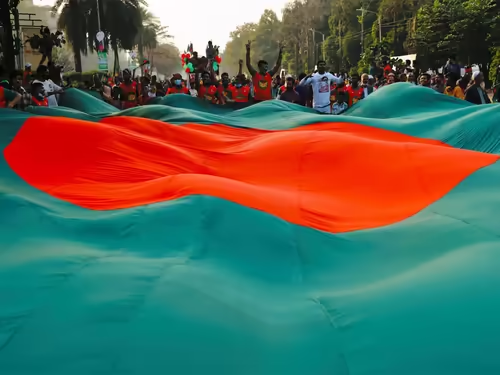
Tensions are boiling over in Bangladesh as the nation prepares for its highly contentious parliamentary elections on **February 12, 2026**. In an urgent move that underscores growing international concern, the **U.S. Embassy in Dhaka has issued a formal security alert** for all American citizens, warning of imminent risks ranging from organized political violence to potential extremist attacks [[1]].
This isn’t just routine caution—it’s a red flag. The advisory explicitly urges Americans to “avoid large gatherings, demonstrations, and election-related events,” citing a volatile mix of historical unrest, transportation shutdowns, and the persistent threat of terrorism. For expats, travelers, and dual nationals, this moment demands heightened vigilance. Let’s break down what’s happening, why it matters, and how you can protect yourself.
Table of Contents
- What the U.S. Embassy Said: Key Warnings
- Why Bangladesh Elections Are So Volatile
- A History of Election Violence and Extremism
- Who Is at Risk? Not Just Tourists
- Practical Safety Tips for Americans in Bangladesh
- How This Affects Regional Stability
- Conclusion: Stay Informed, Stay Safe
- Sources
What the U.S. Embassy Said: Key Warnings
The official Bangladesh elections security alert, released on January 30, 2026, outlines several critical concerns:
- Political Violence: Rival parties have a history of clashing during election periods, often involving arson, stone-throwing, and armed confrontations.
- Extremist Threats: Groups like ISIS-Bangladesh and Jamaat-ul-Mujahideen remain active and may exploit election chaos to carry out attacks.
- Transport Disruptions: Expect roadblocks, rail suspensions, and flight delays due to protests or government-imposed restrictions.
- Communication Blackouts: Past elections saw internet and mobile shutdowns—prepare for limited connectivity.
The embassy also advised enrolling in the Smart Traveler Enrollment Program (STEP) to receive real-time updates—a crucial step for any U.S. citizen in the region.
Why Bangladesh Elections Are So Volatile
Bangladesh’s political landscape is deeply polarized between the ruling Awami League, led by Prime Minister Sheikh Hasina, and the opposition Bangladesh Nationalist Party (BNP), headed by Tarique Rahman (in exile). The BNP has already announced plans to boycott the election unless certain conditions—including the reinstatement of a neutral caretaker government—are met [[2]].
This deadlock has fueled mass protests, strikes (hartals), and retaliatory crackdowns. With youth unemployment soaring and inflation biting hard, public frustration is at a breaking point. Add in the legacy of military coups and electoral fraud allegations, and you have a tinderbox waiting for a spark.
A History of Election Violence and Extremism
This isn’t hypothetical. Bangladesh’s electoral history is stained with blood:
- 2014 Elections: Boycotted by the BNP; over 150 people killed in pre-election violence.
- 2018 Elections: Widespread reports of ballot stuffing; more than 17 killed on election day.
- 2016 Holey Bakery Attack: ISIS-affiliated militants killed 22 people, including foreigners, signaling ongoing extremist capabilities [[3]].
Security analysts warn that extremist groups often time attacks to coincide with political instability to maximize fear and media coverage.
Who Is at Risk? Not Just Tourists
While tourists are advised to avoid non-essential travel, the real vulnerability lies with:
- American expatriates working in NGOs, education, or business.
- Dual U.S.-Bangladeshi citizens, who may be targeted due to perceived Western ties.
- Journalists and election observers, who could be caught in crossfire or detained.
Even diplomatic staff aren’t immune—the U.S. Embassy itself has been a symbolic target in past anti-American protests.
Practical Safety Tips for Americans in Bangladesh
If you must remain in Bangladesh during the election period, follow these steps:
- Monitor Local News: Use trusted sources like BBC Bangla, Prothom Alo, or bdnews24.com.
- Avoid Crowds: Steer clear of rallies, polling stations, and major intersections.
- Stock Essentials: Keep 3–5 days of food, water, cash, and medicine at home.
- Secure Your Location: Ensure your residence has secure locks and emergency contacts.
- Have an Exit Plan: Know the nearest U.S. consular services and evacuation routes.
For more on navigating high-risk environments, see our guide on [INTERNAL_LINK:safety-tips-for-expats-in-political-unrest].
How This Affects Regional Stability
Bangladesh isn’t isolated. Its stability impacts India, Myanmar, and China—all of whom have strategic interests in the Bay of Bengal. A prolonged crisis could trigger refugee flows, disrupt supply chains, and embolden transnational terror networks. The U.S. alert is as much about regional security as it is about citizen safety.
Conclusion: Stay Informed, Stay Safe
The Bangladesh elections security alert is a sobering reminder that democracy in fragile states can be messy, dangerous, and unpredictable. While the world watches the ballots, Americans on the ground must prioritize personal safety above all. Vigilance, preparation, and real-time information aren’t just recommendations—they’re lifelines.
Sources
- [[1]] The Times of India: “B’desh polls: US issues security alert; warns of political violence, ‘extremist attacks'”
- [[2]] Al Jazeera: “Bangladesh Opposition Threatens Election Boycott Amid Crackdown”, January 2026
- [[3]] U.S. Department of State: “Bangladesh Country Report on Terrorism 2025”
- [[4]] BBC News: “Bangladesh Election Violence: A Recurring Nightmare”
- [[5]] Smart Traveler Enrollment Program (STEP): https://step.state.gov/