Table of Contents
- The Icy Trap: A Tourist’s Worst Nightmare
- Why Manali Traffic is a Predictable Disaster
- The Hidden Cost of the Snow Rush
- How to Avoid the Manali Traffic Mess
- Conclusion: Is the Magic Worth the Misery?
- Sources
The Icy Trap: A Tourist’s Worst Nightmare
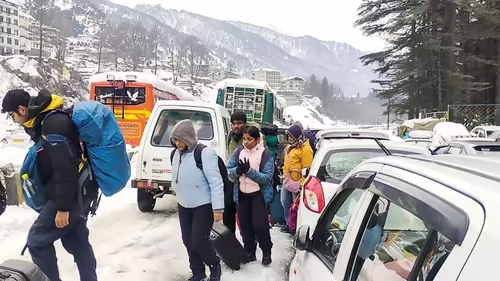
Imagine this: you’ve driven for hours, maybe even days, dreaming of a serene winter wonderland in Manali. You finally arrive, only to find yourself stuck in a 10-kilometer-long queue of vehicles, crawling at a snail’s pace. For ten grueling hours. In sub-zero temperatures. This isn’t a scene from a dystopian film; it’s the reality thousands of tourists faced just last week .
The recent heavy snowfall that blanketed Manali on January 23-24, 2026, while breathtakingly beautiful, triggered a massive influx of visitors eager to experience the snow . The result? A perfect storm of high demand and inadequate infrastructure. Exit routes from the town became impassable, forcing desperate tourists to abandon their cars and walk on treacherous ice for kilometers to find shelter . Many spent a shivering, sleepless night trapped in their vehicles, describing the ordeal as nothing short of “nightmarish” .
Why Manali traffic is a Predictable Disaster
Let’s be clear: this wasn’t an unforeseen act of God. It was a systemic failure waiting to happen. Himachal Pradesh has seen an unprecedented surge in winter tourism. In December 2025 alone, the Kullu district welcomed nearly 200,000 visitors . The state’s tourism policy has successfully marketed its winter charm, but the ground reality—roads, emergency services, and crowd management—has failed to keep pace .
The primary artery for tourists, the road leading to the Atal Tunnel, becomes a bottleneck during peak snow events. While the tunnel itself remains open, the approach roads from Manali are narrow and quickly become hazardous with ice and snow . Combine this with a sudden, massive influx of vehicles, and you have a recipe for a standstill traffic jam that can stretch for over 10 kilometers .
The Role of Social Media and FOMO
A significant driver of this chaos is the viral nature of snowfall. As soon as the first flakes fall, social media explodes with stunning visuals from Manali and Solang Valley. This creates a powerful Fear Of Missing Out (FOMO), prompting a last-minute rush of tourists who often have little regard for weather advisories or road condition reports . This herd mentality overwhelms the local ecosystem, turning a manageable situation into a full-blown crisis.
The Hidden Cost of the Snow Rush
Beyond the immediate discomfort and danger, this uncontrolled tourism boom has deeper consequences:
- Environmental Strain: The sheer volume of vehicles contributes to pollution in a fragile Himalayan ecosystem already stressed by climate change.
- Local Community Impact: While tourism is a vital economic engine, these chaotic surges can disrupt the daily lives of residents, block access to essential services, and create resentment.
- Economic Loss: Ironically, the very tourists who come to spend money end up spending their time and energy just trying to survive the journey, not enjoying their holiday. This can lead to negative reviews and long-term damage to the region’s reputation.
How to Avoid the Manali traffic Mess
If you’re planning a winter trip to the hills, don’t let your dream vacation turn into a disaster. Here’s how to be a smarter traveler:
- Check Official Sources, Not Just Instagram: Before you leave, consult the official Himachal Pradesh Tourism website and local police traffic updates for real-time road conditions. Don’t rely on a three-day-old photo.
- Travel Mid-Week: The weekend rush is the primary culprit. If possible, plan your arrival and departure for a Tuesday or Wednesday to avoid the worst crowds .
- Have a Flexible Itinerary: Be prepared to change your plans. If Manali is gridlocked, consider alternative destinations like Kasol or McLeod Ganj, which might be less affected. [INTERNAL_LINK:winter-travel-alternatives-himachal]
- Pack for the Worst: Always carry extra warm clothing, blankets, non-perishable food, and water in your car. You never know when you might get stuck.
- Respect Local Advice: If local authorities advise against travel, heed their warning. They understand the terrain and risks far better than any online influencer.
Conclusion: Is the Magic Worth the Misery?
The allure of a snowy Manali is undeniable. However, the recent Manali traffic nightmare serves as a stark warning. The magic of the mountains comes with a responsibility—to be informed, to be prepared, and to travel with respect for the environment and the local community. The state government must also urgently invest in better infrastructure and crowd management strategies to handle the growing popularity of winter tourism. Until then, the question remains: is that perfect snow selfie really worth risking a night stranded in the freezing cold?
Sources
- Times of India: 15km in 10 hours: Snow rush turns into traffic nightmare in Manali
- Web Search Results: Manali Heavy snowfall Traffic update – 25 Jan 2026
- Web Search Results: Huge traffic jam erupts after heavy snowfall hits Manali
- Web Search Results: Road Conditions in Manali on 24 January 2026
- Web Search Results: Winter tourism is rewriting the travel story of Himachal
- Web Search Results: Himachal in White, Tourists in Thrill, Media in Overdrive
- National Highway Authority of India (NHAI): Official Website for Road Infrastructure Updates