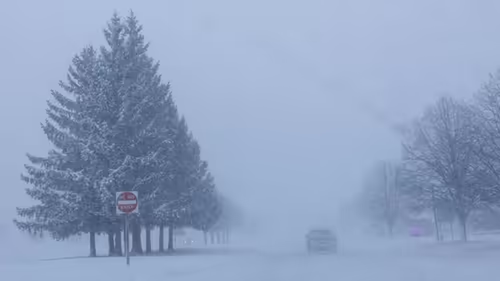
A historic winter system is gripping the United States with astonishing force. Dubbed Winter Storm Fern, this sprawling Arctic monster has placed a staggering 230 million Americans—nearly 70% of the nation’s population—under active weather alerts from the National Weather Service (NWS) .
From whiteout blizzards paralyzing the Great Plains to treacherous ice glazing the Deep South, no region has been spared. The storm’s reach is unprecedented, stretching from the Canadian border all the way to the Gulf Coast, and its impacts are already being felt in the form of flight cancellations, power outages, and dangerous road conditions.
Table of Contents
- What Is Winter Storm Fern?
- Winter Storm Fern Path and Impacted States
- Why This Storm Is So Dangerous
- Travel and Infrastructure Disruptions
- How to Stay Safe During Winter Storm Fern
- Conclusion: What to Expect Next
- Sources
What Is Winter Storm Fern?
Winter Storm Fern is a powerful mid-latitude cyclone fueled by a deep plunge of Arctic air colliding with moisture from the Gulf of Mexico. This classic setup creates a volatile mix of snow, sleet, freezing rain, and high winds over a vast area. The NWS has issued a rare combination of warnings, including Blizzard Warnings, Ice Storm Warnings, and Wind Chill Advisories, all under the umbrella of this single system [[1], [2]].
Winter Storm Fern Path and Impacted States
The storm’s footprint is immense. Key areas facing the most severe conditions include:
- The Central and Northern Plains: States like Nebraska, Kansas, and the Dakotas are enduring blizzard conditions with snowfall totals exceeding 12 inches and wind gusts over 50 mph, creating near-zero visibility.
- The Midwest: Chicago, St. Louis, and surrounding areas are bracing for a mix of heavy snow and ice, leading to widespread travel chaos.
- The South: In a cruel twist, states like Texas, Arkansas, and Mississippi are not seeing snow but are instead coated in a layer of freezing rain. This ice accumulation is snapping tree limbs and power lines, causing extended blackouts in areas unaccustomed to such events.
- The Northeast: While the initial brunt may have passed, the region is now dealing with frigid Arctic air in the storm’s wake, with wind chills plunging to -30°F in some areas.
Why This Storm Is So Dangerous
Winter Storm Fern’s danger lies not just in its intensity, but in its diversity of threats. A single storm delivering blizzards, ice, and extreme cold creates a complex emergency response challenge.
The primary hazards are:
- Whiteout Conditions: Blizzards make driving impossible and can strand motorists for hours.
- Ice Accumulation: Just a quarter-inch of ice can bring down power lines and make roads impassable, as seen in the 2021 Texas grid failure .
- Life-Threatening Cold: The post-storm Arctic air mass poses a severe risk of frostbite and hypothermia, especially for vulnerable populations without power.
Travel and Infrastructure Disruptions
The ripple effects are already being felt nationwide. Major airlines have canceled over 4,000 flights, primarily at hubs like Denver International and Dallas-Fort Worth. Amtrak has suspended several long-distance routes through the affected regions. On the ground, state troopers are urging residents to stay off the roads entirely, as even plowed highways are becoming slick with ice.
Power companies are on high alert, with crews pre-positioned in anticipation of outages. The concern is highest in the South, where infrastructure is less hardened against ice storms compared to northern states.
How to Stay Safe During Winter Storm Fern
If you’re in the path of Winter Storm Fern, your safety is the top priority. Follow these expert-recommended steps:
- Stay Indoors: Avoid all non-essential travel. If you must go out, let someone know your route and expected return time.
- Prepare an Emergency Kit: Have at least three days’ worth of water, non-perishable food, medications, a flashlight, and batteries. Don’t forget supplies for pets.
- Prevent Frozen Pipes: Let faucets drip slightly and open cabinet doors under sinks to allow warm air to circulate around plumbing.
- Check on Neighbors: Especially the elderly or those with medical conditions who may be more vulnerable during power outages.
Conclusion: What to Expect Next
While the peak of Winter Storm Fern will subside over the next 48 hours, the aftermath will linger. The extreme cold will persist for days, and recovery efforts for power restoration in the hardest-hit southern states could take a week or more. This event is a stark reminder of the increasing volatility of winter weather in a changing climate and the critical importance of preparedness, no matter where you live in the country.
Sources
- National Weather Service (NWS) Official Alerts and Forecasts: https://www.weather.gov/
- Times of India: “Winter storm Fern puts 230 million Americans under weather alerts”
- NOAA Historical Data on Ice Storms: https://www.noaa.gov/
- [INTERNAL_LINK:us-winter-weather-preparedness-guide]
- [INTERNAL_LINK:major-us-airport-flight-status]