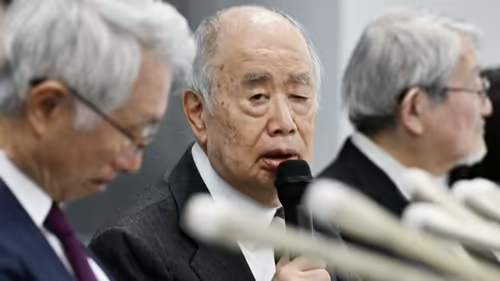
The shadow of scandal that long loomed over the Tokyo Olympics has finally claimed one of its most prominent figures. Former Kadokawa Corp. chairman Tsuguhiko Kadokawa has been sentenced to a suspended prison term for his central role in a bribery scheme designed to buy his company a coveted spot as an official sponsor of the Games . This verdict is not just a personal legal reckoning for Kadokawa; it’s a stark and final indictment of the corporate greed and systemic corruption that tarnished what was meant to be a celebration of global unity and athletic excellence.
Table of Contents
- The Verdict and the Man Behind It
- The Tokyo Olympics Bribery Scheme Exposed
- A Wider Web of Corruption
- Kadokawa’s Defense and Planned Appeal
- The Impact on Japan’s Reputation and the Olympic Movement
- Lessons Learned for Future Host Cities
- Conclusion: A Cautionary Tale
- Sources
The Verdict and the Man Behind It
Tsuguhiko Kadokawa, the former head of the massive Japanese publishing and media conglomerate Kadokawa Corp., was found guilty of approving illegal payments totaling approximately 70 million yen (roughly $450,000 USD) to a high-ranking Tokyo Olympic official . The court handed down a two-year prison sentence, but suspended it for three years, meaning Kadokawa will avoid jail time unless he commits another crime during the suspension period. While this may seem like a lenient outcome, the conviction itself is a massive blow to his personal and professional standing, effectively ending his career at the helm of one of Japan’s most influential cultural institutions.
The Tokyo Olympics Bribery Scheme Exposed
The core of the Tokyo Olympics bribery case was a straightforward transaction of power for profit. Kadokawa Corp. sought the immense prestige and marketing benefits that came with being an official “Tokyo 2020” sponsor. To secure this status, Kadokawa allegedly authorized the illicit payment to Haruyuki Takahashi, a key member of the Tokyo 2020 organizing committee who was in charge of selecting sponsors . Takahashi, who has already been convicted and sentenced to prison in a related case, acted as the middleman, accepting bribes from multiple corporations in exchange for their inclusion in the sponsorship program. This wasn’t just a rogue act; it was a systemic flaw in the Games’ oversight, where a single individual held disproportionate power over a multi-billion dollar commercial enterprise.
A Wider Web of Corruption
Kadokawa’s case is just one thread in a much larger tapestry of corruption that plagued the Tokyo Olympics. The scandal extended far beyond corporate sponsorship:
- Bid-Rigging for Construction Contracts: Multiple construction firms were found to have colluded to fix prices for Olympic venue projects, inflating costs for the Japanese taxpayer.
- Excessive Spending and Budget Overruns: The final cost of the Games ballooned to over $13 billion, more than double the initial estimate, raising serious questions about financial management.
- Leadership Misconduct: The original president of the Tokyo 2020 organizing committee, Yoshiro Mori, was forced to resign after making sexist remarks, further damaging the event’s image.
This series of failures created a perfect storm of public disillusionment, both in Japan and internationally, turning what should have been a moment of national pride into a source of embarrassment.
Kadokawa’s Defense and Planned Appeal
Despite the court’s ruling, Tsuguhiko Kadokawa maintains his innocence. His defense team argued that the payment was not a bribe but a legitimate “consulting fee” for services rendered by Takahashi. They claim there was no explicit quid pro quo agreement linking the payment directly to the sponsorship contract. Kadokawa has announced his intention to appeal the verdict, setting the stage for a prolonged legal battle that will keep the scandal in the public eye for months to come.
The Impact on Japan’s Reputation and the Olympic Movement
The fallout from this scandal has been profound. For Japan, a nation known for its order and integrity, the revelations of such brazen corruption at the highest levels of a flagship project were deeply damaging. It eroded public trust in large corporations and government institutions. For the International Olympic Committee (IOC), the Tokyo debacle is another black mark on its increasingly troubled legacy. The IOC has long been criticized for its opaque bidding processes and the enormous financial burdens it places on host cities. The Tokyo Olympics bribery case provides concrete evidence of these systemic issues, making it even harder for future cities to justify the immense cost and risk of hosting the Games.
Lessons Learned for Future Host Cities
The key takeaway for future Olympic hosts is the critical need for transparency, robust oversight, and a clear separation of powers. The concentration of sponsorship authority in a single individual like Takahashi was a recipe for disaster. Future organizing committees must implement strict anti-corruption protocols, independent auditing, and a more democratic decision-making process for all major contracts and partnerships. The IOC itself must also reform its practices to prevent such scandals from recurring.
Conclusion: A Cautionary Tale
The suspended sentence for Tsuguhiko Kadokawa is the latest, but likely not the last, consequence of the Tokyo Olympics bribery scandal. It serves as a powerful cautionary tale about the corrosive influence of money and power in the world of elite sports. While the athletes competed with grace and determination, the organizers and corporate sponsors behind the scenes were engaged in a sordid game of backroom deals. The legacy of Tokyo 2020 will forever be a complex mix of human triumph and institutional failure, a reminder that the true spirit of the Olympics can only flourish in an environment of fairness and integrity.
Sources
- Times of India: Former Kadokawa Corp chairman gets suspended, sentenced to prison in Tokyo Olympics bribery case
- Reuters: Ex-Kadokawa boss gets suspended sentence in Tokyo Olympics bribery case
- International Olympic Committee Ethics Commission: IOC Ethics Commission Mandate
- [INTERNAL_LINK:tokyo-olympics-cost-overrun-analysis]
- [INTERNAL_LINK:history-of-olympic-scandals]